


Can bead spraying be used in the food processing industry?
Jan 12, 2026
Leave a message
Bead spraying, a well - known surface finishing technique, has applications across a wide range of industries. However, a common question that arises is whether it can be used in the food processing industry. As a bead spraying supplier, I will explore this topic in depth, discussing the science, potential applications, challenges, and viability of bead spraying in this sector.
Understanding Bead Spraying
Bead spraying is a form of abrasive blasting where small beads are propelled at a surface at high speeds. The beads can be made from various materials, such as glass, ceramic, or plastic. The process is primarily used for surface cleaning, polishing, and peening. By altering the type of beads, their size, and the blasting pressure, different surface finishes can be achieved. For detailed knowledge about bead blasting techniques, refer to Bead Blasting Techniques.
The basic mechanism of bead spraying involves a blasting cabinet or a similar setup. Compressed air or another propellant is used to force the beads through a nozzle. When the beads hit the surface, they remove contaminants, create a specific surface texture, or change the mechanical properties of the material to some extent.
Food Processing Industry Requirements
The food processing industry has strict requirements when it comes to equipment and materials. Hygiene is of utmost importance. Any surface that comes into contact with food must be easy to clean and sterilize to prevent the growth of bacteria, fungi, and other pathogens. Food - grade materials are often used to ensure that no harmful substances leach into the food.
In addition to hygiene, the equipment in the food processing industry needs to be durable. The harsh cleaning agents and frequent cleaning cycles can take a toll on the surfaces. Resistant materials and proper surface finishes are essential to maintain the integrity of the equipment over time.
Potential Applications of Bead Spraying in Food Processing
Surface Cleaning and Preparation
Bead spraying can be effectively used for cleaning and preparing the surfaces of food processing equipment. During the manufacturing of stainless - steel containers, pipes, or conveyor belts, there may be residues from the manufacturing process, such as oil, grease, or metal shavings. Bead spraying can remove these contaminants without causing significant damage to the underlying material.
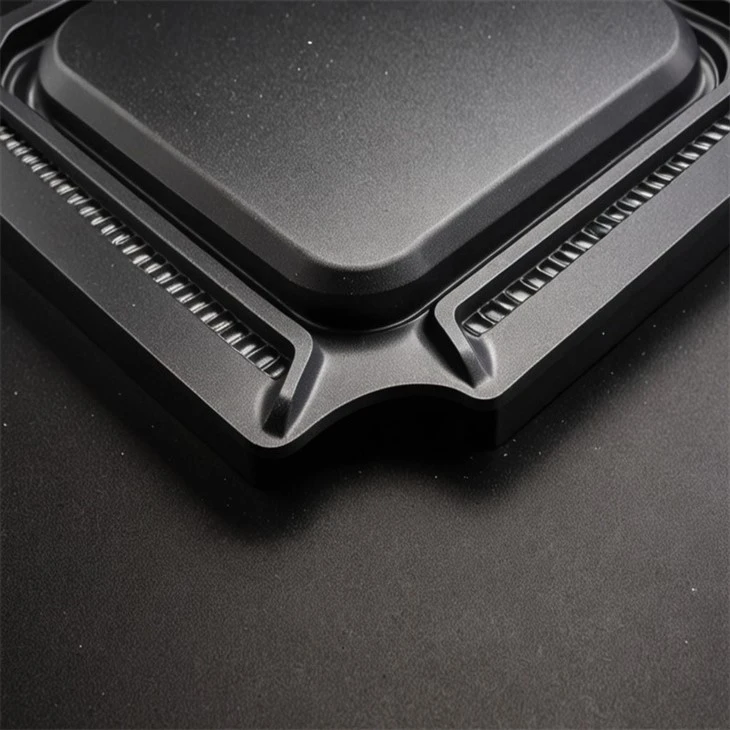

For example, in the production of large - scale milk storage tanks, bead spraying can be used to clean the interior surfaces after welding or fabrication. This ensures that the tanks are free from any impurities before they are used to store milk, which is highly perishable and sensitive to contamination.
Surface Finishing for Hygiene
A smooth and uniform surface finish is crucial for food - contact surfaces. Bead spraying can be used to create a micro - finish on the surface of equipment. This smooth finish not only makes it easier to clean but also reduces the areas where bacteria and other microorganisms can accumulate.
In the case of food slicing machines, a properly bead - sprayed blade surface can prevent food particles from sticking to the blade. This not only improves the efficiency of the slicing process but also reduces the risk of cross - contamination between different food products.
Equipment Modification
Bead spraying can be used to modify the surface properties of food processing equipment to enhance its performance. For instance, by peening the surface of a metal conveyor belt with ceramic beads, the hardness and wear resistance of the belt can be increased. This results in a longer service life of the conveyor belt, reducing downtime and maintenance costs in the food processing plant.
Challenges and Considerations
Bead Material Selection
When using bead spraying in the food processing industry, the choice of bead material is critical. Non - food - grade beads can introduce contaminants into the food processing environment. For example, if a glass bead contains trace amounts of heavy metals, there is a risk that these metals could be released during the spraying process and end up in contact with food. Therefore, only food - grade beads should be used.
Residue and Contamination Risk
Even with food - grade beads, there is a risk of bead residue remaining on the treated surface. This residue could potentially contaminate the food. Thorough cleaning and verification procedures need to be in place to ensure that no bead particles or other blasting residues are present on the equipment surfaces before they come into contact with food.
Compatibility with Cleaning Agents
The surface finish created by bead spraying must be compatible with the cleaning agents used in the food processing industry. Some harsh cleaning chemicals may react with the bead - sprayed surface, leading to corrosion or degradation of the finish. This can compromise the hygiene and durability of the equipment.
Our High - Quality Bead Spraying Services
As a bead spraying supplier, we are well - aware of the challenges and requirements in the food processing industry. We offer High - Quality Bead Spraying Services that are specifically tailored to meet the strict standards of this sector.
We use only food - grade beads in our processes. Our team of experts carefully selects the bead material, size, and blasting parameters to achieve the desired surface finish without compromising on safety and hygiene. We also have advanced cleaning and testing procedures in place to ensure that all treated surfaces are free from any residues.
In addition, we conduct thorough research on the compatibility of our bead - sprayed surfaces with common food - processing cleaning agents. This allows us to provide our clients with a reliable solution that not only meets the current food safety standards but also offers long - term durability.
Conclusion
In conclusion, bead spraying can indeed be used in the food processing industry, provided that proper precautions are taken. Its applications in surface cleaning, preparation, finishing, and modification offer significant benefits for food processing equipment. However, challenges such as bead material selection, residue prevention, and compatibility with cleaning agents must be carefully addressed.
As a bead spraying supplier, we are committed to providing the best solutions for the food processing industry. Our Bead Spraying Services are designed to meet the high - standards of hygiene, durability, and performance required in this sector.
If you are in the food processing industry and are interested in exploring the use of bead spraying for your equipment, we invite you to contact us for a detailed discussion. We can provide bespoke solutions based on your specific needs and requirements.
References
- ASTM standards related to food - grade materials and surface finishes in food processing.
- Industry reports on the latest trends in food processing equipment surface treatments.
- Research papers on the effectiveness of bead spraying in surface cleaning and modification.
Send Inquiry