


Can vacuum casting be used for electronic enclosures?
Jun 19, 2025
Leave a message
Can vacuum casting be used for electronic enclosures?
In the dynamic landscape of manufacturing, the choice of production methods for electronic enclosures is crucial. As a trusted Vacuum Casting supplier, I've witnessed firsthand the evolving needs of the electronics industry and the potential of vacuum casting in meeting those requirements. In this blog, I'll delve into the viability of using vacuum casting for electronic enclosures, exploring its advantages, limitations, and real - world applications.
Understanding Vacuum Casting
Vacuum casting is a manufacturing process that involves creating high - quality replicas of a master pattern. The process begins with the creation of a silicone mold from a master pattern, which can be produced using 3D printing or CNC machining. Once the mold is ready, a liquid resin is poured into the mold under vacuum conditions. The vacuum helps to remove air bubbles from the resin, ensuring a smooth and defect - free casting.
This process offers several benefits that make it an attractive option for various industries. It allows for the production of small to medium - sized batches of parts with high precision and excellent surface finish. Additionally, it is relatively cost - effective compared to other manufacturing processes, especially for low - volume production.

Advantages of Vacuum Casting for Electronic Enclosures
1. Design Flexibility
One of the key advantages of vacuum casting for electronic enclosures is the high degree of design flexibility it offers. The process can accurately reproduce complex geometries, including undercuts, thin walls, and intricate details. This is particularly important for electronic enclosures, which often need to accommodate various components such as circuit boards, connectors, and displays. With vacuum casting, designers can create enclosures with customized shapes and features to meet the specific requirements of the electronics.
For example, if an electronic device requires a unique form factor to fit into a specific space or to provide a distinctive user experience, vacuum casting can easily bring that design to life. The ability to create custom - designed enclosures also allows for better integration of the electronics, reducing the risk of interference and improving overall performance.
2. Material Selection
Vacuum casting supports a wide range of materials, including different types of plastics, elastomers, and even metals. For electronic enclosures, the choice of material is critical as it needs to provide the right combination of mechanical, electrical, and thermal properties.
Plastic materials are commonly used for electronic enclosures due to their lightweight, low cost, and good electrical insulation properties. Vacuum casting can use materials such as ABS, polycarbonate, and acrylic, which offer excellent impact resistance, chemical resistance, and dimensional stability. Elastomers can also be used for enclosures that require flexibility or shock absorption, such as those for handheld electronic devices.
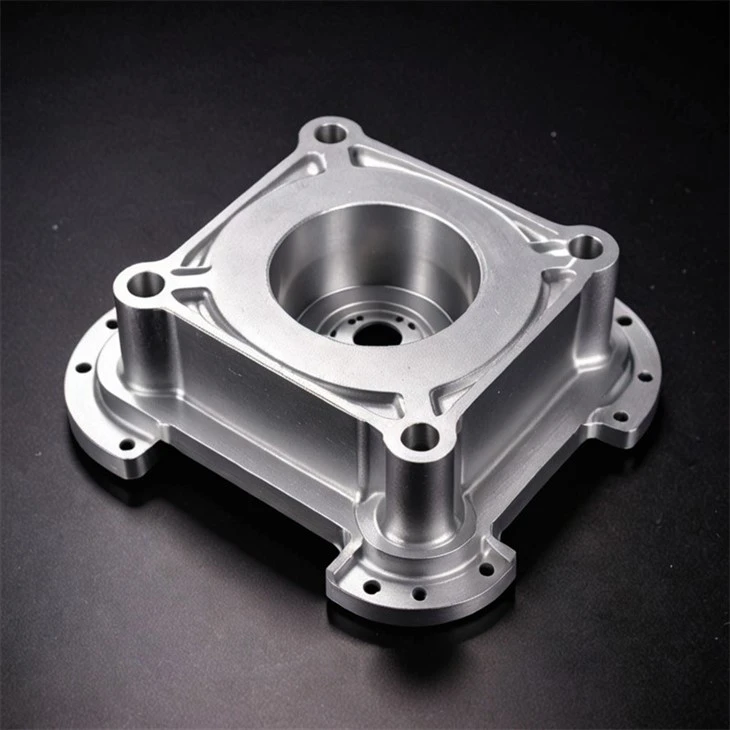
In addition, Vacuum Casting Metal Services can be employed when a more robust or heat - dissipating enclosure is needed. Metals like aluminum can provide high strength and good thermal conductivity, making them suitable for high - power electronic devices that generate a significant amount of heat.
3. Quick Turnaround Time
Vacuum casting is a relatively fast manufacturing process, especially for low - volume production. The lead time for creating a silicone mold is short, and multiple castings can be produced from a single mold. This means that electronic enclosures can be produced quickly, allowing companies to bring their products to market faster.
For start - up companies or those working on product development projects, the quick turnaround time of vacuum casting is a significant advantage. It enables them to test and validate their designs rapidly, make necessary modifications, and produce small batches of enclosures for initial production runs or market testing.
4. Cost - Effectiveness for Low - Volume Production
As mentioned earlier, vacuum casting is cost - effective for low - volume production. The initial tooling costs for creating a silicone mold are much lower than those for injection molding or other high - volume manufacturing processes. This makes it an ideal choice for companies that need to produce a limited number of electronic enclosures, such as for prototype development, custom - built devices, or niche market products.
For example, if a company wants to produce a small batch of 100 - 500 electronic enclosures, vacuum casting can provide a more affordable solution compared to injection molding, which requires expensive tooling and is more suitable for high - volume production. The cost - effectiveness of vacuum casting also extends to the production process itself, as it consumes less energy and materials compared to some other manufacturing methods.
Limitations of Vacuum Casting for Electronic Enclosures
1. Production Volume
While vacuum casting is suitable for low - volume production, it may not be the best choice for high - volume production. The process has a relatively low production rate, and the silicone molds have a limited lifespan. As the number of castings increases, the mold may start to wear out, resulting in a decrease in the quality of the castings.
For large - scale production of electronic enclosures, other manufacturing processes such as injection molding may be more appropriate. Injection molding can produce a large number of parts quickly and consistently, with high precision and excellent quality. However, for companies that require low - to medium - volume production, vacuum casting remains a viable and cost - effective option.
2. Surface Finish Consistency
Although vacuum casting can produce parts with a good surface finish, achieving consistent surface finish across a large number of castings can be challenging. The surface finish of the castings can be affected by factors such as the quality of the master pattern, the type of resin used, and the condition of the silicone mold.
In some cases, additional post - processing steps may be required to achieve the desired surface finish for electronic enclosures. This can add to the production time and cost. However, with proper process control and quality management, the surface finish issues can be minimized, and high - quality enclosures can still be produced.
Real - World Applications
Vacuum casting has been widely used in the production of electronic enclosures for various applications. For example, in the consumer electronics industry, it is used to produce enclosures for smartphones, tablets, and wearables. These devices often require high - quality enclosures with precise dimensions and attractive designs, which can be achieved through vacuum casting.
In the automotive electronics sector, vacuum casting is used to create enclosures for in - vehicle infotainment systems, sensors, and control units. The ability to produce custom - designed enclosures with good mechanical and thermal properties makes vacuum casting a popular choice for automotive applications.
In the medical electronics field, vacuum casting is used to manufacture enclosures for medical devices such as monitors, diagnostic equipment, and handheld devices. The process can produce enclosures that are both functional and aesthetically pleasing, while also meeting the strict quality and safety requirements of the medical industry.
Conclusion
In conclusion, vacuum casting is a viable option for the production of electronic enclosures, especially for low - to medium - volume production. It offers significant advantages in terms of design flexibility, material selection, and cost - effectiveness. While it has some limitations, such as low production rate and surface finish consistency issues, these can be managed through proper process control and quality management.
As a Vacuum Mold Casting Services and Vacuum Casting Aluminum Services provider, we have the expertise and experience to help you produce high - quality electronic enclosures using vacuum casting. Whether you are a start - up company looking to bring a new electronic product to market or an established manufacturer in need of custom - designed enclosures, we can work with you to meet your specific requirements.
If you are interested in learning more about how vacuum casting can be used for your electronic enclosures or if you would like to discuss a specific project, please feel free to contact us. We look forward to the opportunity to collaborate with you and help you achieve your manufacturing goals.
References
- "Manufacturing Processes for Engineering Materials" by S. Kalpakjian and S. R. Schmid
- "Plastics in Electronics" by R. J. Crawford
- Industry reports on electronic enclosure manufacturing and vacuum casting technology.
Send Inquiry