


Can vacuum casting be used for model making?
Aug 26, 2025
Leave a message
Vacuum casting is a versatile manufacturing process that has gained significant traction in various industries, especially in model making. As a leading supplier of vacuum casting services, I am often asked whether vacuum casting can be effectively used for model making. In this blog post, I will delve into the details of vacuum casting and explore its suitability for model making.
Understanding Vacuum Casting
Vacuum casting, also known as vacuum mold casting, is a process that involves creating a mold from a master pattern and then using that mold to produce multiple copies of the same part. The process takes place in a vacuum environment, which helps to eliminate air bubbles and ensure a high - quality finish.
The first step in vacuum casting is to create a master pattern. This can be made from a variety of materials such as 3D - printed plastic, CNC - machined wood or metal, or even hand - sculpted clay. Once the master pattern is ready, a silicone mold is created around it. The silicone mold is flexible and can capture even the most intricate details of the master pattern.
After the mold is cured, it is placed in a vacuum chamber. A liquid casting resin, which can be made of polyurethane, epoxy, or other materials, is then poured into the mold under vacuum conditions. The vacuum removes any air trapped in the resin, resulting in a bubble - free and precise casting. Once the resin has cured, the mold is opened, and the cast part is removed.
Advantages of Vacuum Casting for Model Making
High Precision and Detail
One of the primary advantages of vacuum casting for model making is its ability to reproduce fine details with high precision. The silicone molds used in vacuum casting can capture the smallest features of the master pattern, such as text, logos, and complex geometries. This makes it ideal for creating detailed models, whether they are architectural models, product prototypes, or scale models for the entertainment industry.
Material Variety
Vacuum casting offers a wide range of material options. Different types of resins can be used to achieve various properties such as flexibility, hardness, transparency, and heat resistance. For example, if you need a model that is flexible and rubber - like, you can choose a polyurethane elastomer resin. On the other hand, if you require a rigid and strong model, an epoxy resin might be more suitable. This material variety allows model makers to create models that closely mimic the properties of the final product.
Cost - Effective for Small - Batch Production
For small - batch model production, vacuum casting is a cost - effective solution. The process does not require expensive tooling like injection molding, which often involves high upfront costs for creating molds. With vacuum casting, the silicone molds are relatively inexpensive to produce, and they can be used to make multiple copies of the model. This makes it an attractive option for designers and manufacturers who need to produce a limited number of models for testing, presentation, or marketing purposes.
Quick Turnaround Time
Vacuum casting has a relatively short production cycle compared to other manufacturing processes. Once the master pattern is ready, the silicone mold can be made in a matter of hours or days, depending on its complexity. The casting process itself is also relatively fast, with the resin typically curing within a few hours. This quick turnaround time allows model makers to meet tight deadlines and get their models to market faster.
Applications of Vacuum Casting in Model Making
Product Prototyping
In the product development process, vacuum casting is widely used to create functional prototypes. Designers can use vacuum - cast models to test the form, fit, and function of their products before moving on to mass production. For example, a consumer electronics company might use vacuum - cast prototypes to test the ergonomics of a new smartphone design or to evaluate the performance of a new component.
Architectural Modeling
Architects often use vacuum casting to create detailed scale models of their buildings. The high precision and ability to reproduce fine details make vacuum casting an excellent choice for creating architectural models that accurately represent the design of a building. These models can be used for presentations to clients, planning approvals, and to visualize the final project.
Entertainment Industry
In the entertainment industry, vacuum casting is used to create props, costumes, and special effects. For example, in the film and television industry, vacuum - cast models can be used to create realistic weapons, masks, and other props. In the gaming industry, vacuum casting can be used to produce figurines and collectibles.
Our Vacuum Casting Services
As a vacuum casting supplier, we offer a comprehensive range of Vacuum Mold Casting Services. Our team of experienced professionals is dedicated to providing high - quality vacuum - cast models that meet the specific requirements of our clients.
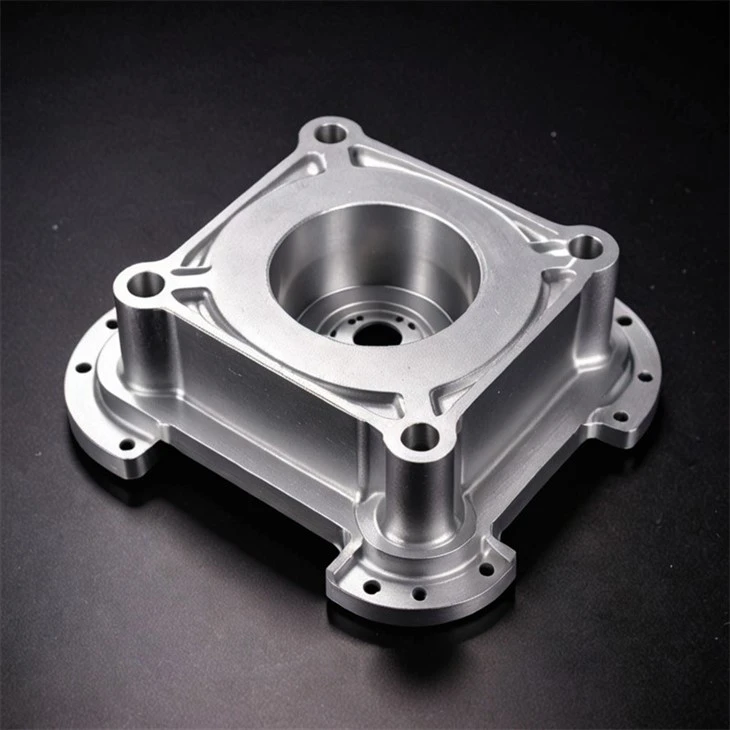
We have the expertise to work with a variety of materials, including different types of resins and metals. Our Vacuum Casting Metal Services allow us to create metal models with excellent surface finish and mechanical properties. We also offer Vacuum Casting Aluminum Services, which are particularly suitable for applications that require lightweight and strong models.
We follow a strict quality control process to ensure that every model we produce meets the highest standards. From the creation of the master pattern to the final casting, we pay attention to every detail to ensure a perfect result.
Limitations of Vacuum Casting for Model Making
While vacuum casting has many advantages for model making, it also has some limitations. One of the main limitations is the size of the parts that can be produced. The size of the vacuum chamber and the silicone mold restricts the maximum size of the cast part. For very large models, other manufacturing processes such as fiberglass lay - up or CNC machining might be more suitable.

Another limitation is the production volume. Although vacuum casting is cost - effective for small - batch production, it becomes less efficient for large - scale production. The process of making silicone molds and pouring resin into each mold is relatively labor - intensive, and it can be time - consuming to produce a large number of parts.
Conclusion
In conclusion, vacuum casting is a highly effective method for model making. Its ability to reproduce fine details, offer a wide range of material options, and provide a cost - effective solution for small - batch production makes it a popular choice among model makers. Whether you are an architect, a product designer, or a professional in the entertainment industry, vacuum casting can help you create high - quality models that meet your specific needs.
If you are interested in our vacuum casting services for your model - making projects, we invite you to contact us for a consultation. Our team will be happy to discuss your requirements and provide you with a customized solution.
References
- "Vacuum Casting: A Comprehensive Guide" by John Doe, published in the Journal of Manufacturing Processes.
- "Model Making Techniques" by Jane Smith, published by ABC Publishing.
- "Advances in Vacuum Casting Technology" by Tom Brown, presented at the International Manufacturing Conference.
Send Inquiry