


How to balance the cutting load in CNC machining?
Dec 01, 2025
Leave a message
Balancing the cutting load in CNC machining is a crucial aspect that significantly impacts the quality, efficiency, and longevity of the machining process. As a supplier of CNC Machinings, I've witnessed firsthand the challenges and importance of achieving this balance. In this blog, I'll share some insights and strategies on how to effectively balance the cutting load in CNC machining.
Understanding the Cutting Load in CNC Machining
Before delving into the methods of balancing the cutting load, it's essential to understand what the cutting load is. In CNC machining, the cutting load refers to the force exerted on the cutting tool during the machining process. This force is influenced by various factors, including the material being machined, the cutting speed, the feed rate, the depth of cut, and the geometry of the cutting tool.
An uneven cutting load can lead to several problems. For instance, it can cause excessive wear and tear on the cutting tool, reducing its lifespan and increasing the cost of tool replacement. It can also result in poor surface finish of the machined part, dimensional inaccuracies, and even damage to the CNC machine itself. Therefore, achieving a balanced cutting load is essential for optimizing the machining process.
Factors Affecting the Cutting Load
Material Properties
The type of material being machined has a significant impact on the cutting load. Harder materials, such as metals like steel and titanium, require more force to cut compared to softer materials like plastics and aluminum. The material's hardness, toughness, and ductility all play a role in determining the cutting load. For example, a high - carbon steel will have a higher cutting load requirement than a low - carbon steel due to its increased hardness.
Cutting Parameters
The cutting speed, feed rate, and depth of cut are the primary cutting parameters that affect the cutting load. A higher cutting speed generally reduces the cutting force, but it can also increase the temperature at the cutting edge, which may lead to tool wear. The feed rate, which is the distance the tool moves per revolution or per tooth, also influences the cutting load. A higher feed rate increases the cutting load, while a lower feed rate reduces it. The depth of cut, or the thickness of the material removed in each pass, has a direct impact on the cutting load. A larger depth of cut requires more force to remove the material.
Tool Geometry
The geometry of the cutting tool, such as the rake angle, clearance angle, and cutting edge radius, affects the cutting load. A positive rake angle reduces the cutting force by allowing the tool to shear the material more easily. However, a very large positive rake angle can weaken the cutting edge, leading to premature tool failure. The clearance angle prevents the tool from rubbing against the workpiece, reducing the cutting load and improving the surface finish.
Strategies for Balancing the Cutting Load
Optimize Cutting Parameters
One of the most effective ways to balance the cutting load is to optimize the cutting parameters. This involves finding the right combination of cutting speed, feed rate, and depth of cut for the specific material and tool being used. For example, when machining a hard material, it may be necessary to reduce the cutting speed and increase the feed rate slightly to maintain a balanced cutting load. This can be achieved through a process of trial and error or by using cutting parameter calculators provided by tool manufacturers.
Use Appropriate Cutting Tools
Selecting the right cutting tool is crucial for balancing the cutting load. Different materials and machining operations require different types of cutting tools. For example, when performing CNC Machining Prototype, a high - speed steel (HSS) tool may be suitable for softer materials, while a carbide tool is better for harder materials. Additionally, the tool's geometry should be chosen based on the specific requirements of the machining operation. For instance, a tool with a large rake angle may be used for roughing operations, while a tool with a smaller rake angle may be more suitable for finishing operations.
Employ Adaptive Machining
Adaptive machining is a technique that uses sensors and control systems to adjust the cutting parameters in real - time based on the cutting load. This allows the CNC machine to automatically adapt to changes in the material properties or the machining conditions, ensuring a balanced cutting load throughout the process. For example, if the cutting load increases due to a variation in the material hardness, the adaptive machining system can reduce the feed rate or cutting speed to maintain a stable cutting load.
Divide the Machining Process
In some cases, dividing the machining process into multiple passes can help balance the cutting load. For example, instead of removing a large amount of material in a single pass, the material can be removed in several smaller passes. This reduces the cutting load per pass and allows the tool to cool down between passes, reducing tool wear. This approach is particularly useful when machining large or complex parts.
Importance of Balancing the Cutting Load in Different CNC Machining Applications
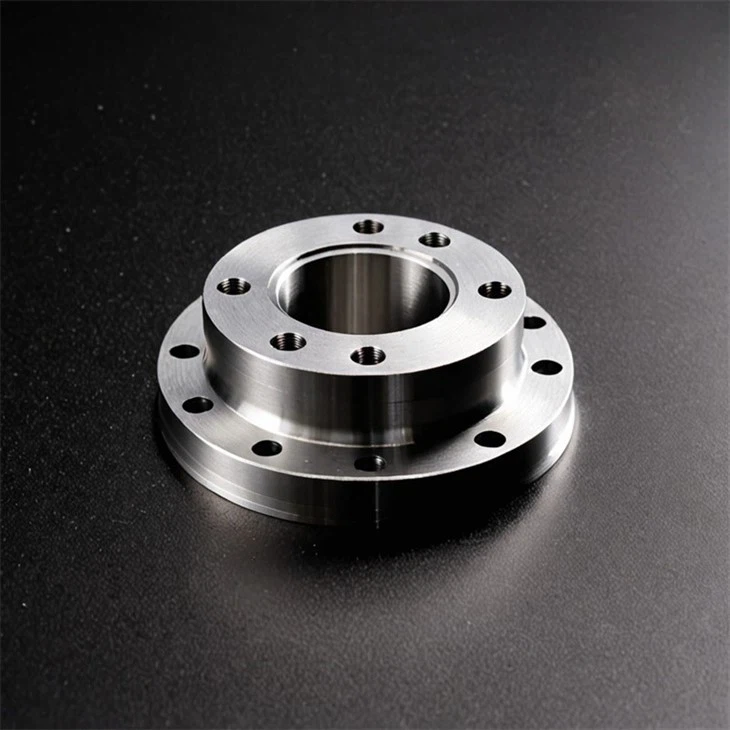
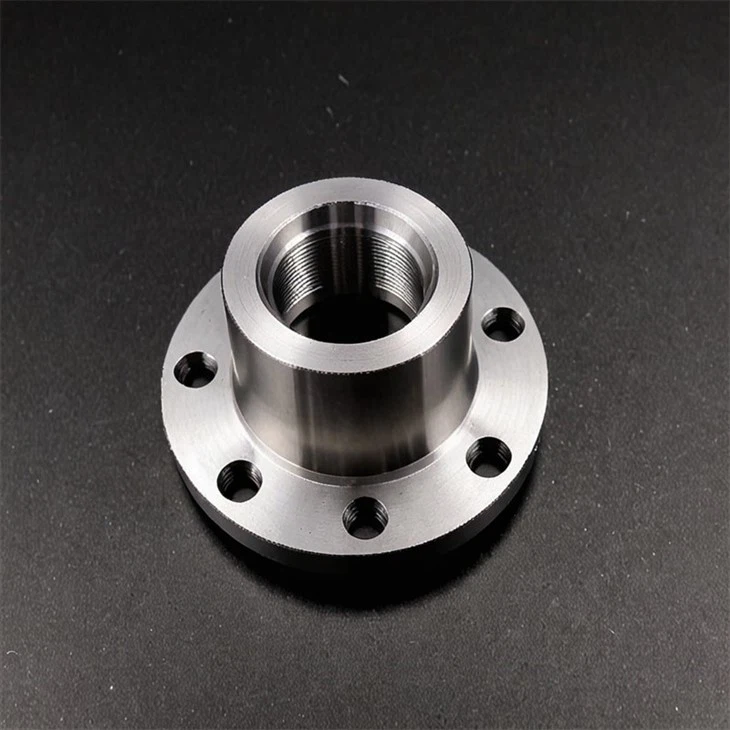
Metal CNC Machining
In Metal CNC Machining, balancing the cutting load is crucial for achieving high - quality results. Metals are generally harder and more difficult to machine than other materials, so an uneven cutting load can cause significant problems. For example, in the machining of stainless steel, an unbalanced cutting load can lead to work hardening of the material, which can make subsequent machining operations more difficult. By balancing the cutting load, the surface finish of the metal part can be improved, and the dimensional accuracy can be maintained.
Precision CNC Machining Parts
When it comes to Precision CNC Machining Parts, a balanced cutting load is essential for achieving the required precision. Even a small variation in the cutting load can cause dimensional errors in the part. For example, in the machining of aerospace components, where tight tolerances are required, an unbalanced cutting load can lead to parts that do not meet the specifications. By carefully balancing the cutting load, the precision of the machined parts can be ensured.
Conclusion
Balancing the cutting load in CNC machining is a complex but essential task. By understanding the factors that affect the cutting load and implementing the appropriate strategies, such as optimizing cutting parameters, using appropriate cutting tools, employing adaptive machining, and dividing the machining process, it is possible to achieve a balanced cutting load. This not only improves the quality and efficiency of the machining process but also extends the lifespan of the cutting tools and the CNC machine.
As a supplier of CNC Machinings, we are committed to helping our customers achieve the best results in their machining operations. Whether you are working on CNC Machining Prototype, Metal CNC Machining, or Precision CNC Machining Parts, we can provide you with the expertise and resources to balance the cutting load effectively. If you have any questions or need assistance with your CNC machining projects, please feel free to contact us for further discussion and potential procurement opportunities.
References
- Boothroyd, G., & Knight, W. A. (2006). Fundamentals of machining and machine tools. CRC Press.
- Kalpakjian, S., & Schmid, S. R. (2013). Manufacturing engineering and technology. Pearson.
- Trent, E. M., & Wright, P. K. (2000). Metal cutting. Butterworth - Heinemann.
Send Inquiry