


How to ensure the flatness of vacuum - cast parts?
Jul 25, 2025
Leave a message
As a supplier in the vacuum casting industry, I often get asked about how to ensure the flatness of vacuum-cast parts. It's a crucial aspect, especially when these parts are used in applications where precision and a smooth surface are non-negotiable. In this blog, I'll share some insights and tips based on my experience in the field.
Understanding the Basics of Vacuum Casting
Before diving into how to ensure flatness, let's quickly go over what vacuum casting is. Vacuum casting is a process where a liquid material, usually a resin or a metal, is poured into a mold under vacuum conditions. This helps to eliminate air bubbles and ensure a high-quality cast. The process is great for producing small to medium batches of parts with high accuracy and detail.
We offer a range of services in this area, including Vacuum Casting Aluminum Services, Vacuum Casting Metal Services, and Vacuum Mold Casting Services. Each of these services has its own unique requirements when it comes to achieving flatness.
Factors Affecting Flatness in Vacuum Cast Parts
1. Mold Design
The design of the mold is the first and most important factor. A poorly designed mold can lead to uneven shrinkage and warping of the cast part, which directly affects flatness. When designing the mold, we need to consider the following:
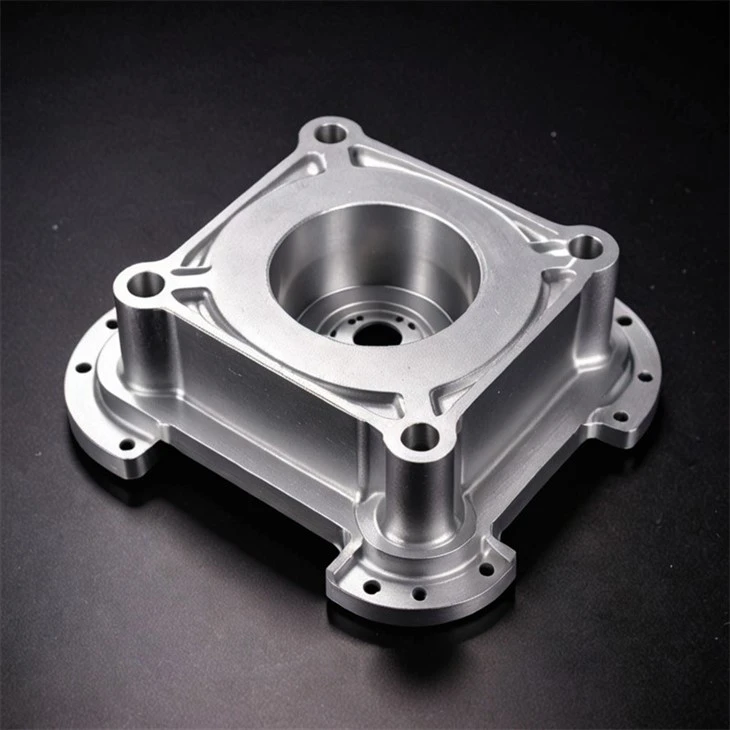

- Wall Thickness: Uniform wall thickness is key. If the walls of the part vary significantly in thickness, the thicker areas will cool and shrink at a different rate than the thinner ones, causing the part to warp. We always aim for a consistent wall thickness throughout the design.
- Draft Angles: Draft angles are necessary to allow the part to be easily removed from the mold. Without proper draft angles, the part may get stuck in the mold during demolding, which can distort its shape and affect flatness.
2. Material Selection
The choice of material also plays a huge role. Different materials have different shrinkage rates and properties. For example, some resins may shrink more than others during the curing process. When selecting a material, we need to consider:
- Shrinkage Rate: We choose materials with a low and predictable shrinkage rate. This helps us to accurately compensate for the shrinkage during the mold design phase.
- Thermal Properties: Materials with good thermal stability are preferred. They are less likely to warp or deform due to temperature changes during the casting and cooling process.
3. Casting Process
The actual casting process itself can impact flatness. Here are some important aspects:
- Vacuum Level: Maintaining the right vacuum level is crucial. A low vacuum level may not remove all the air bubbles from the material, which can lead to voids and uneven surfaces. On the other hand, an overly high vacuum level can cause the material to foam or splatter, also affecting the quality of the cast part.
- Pouring Speed: The speed at which the material is poured into the mold matters. A too-fast pouring speed can cause turbulence and air entrapment, while a too-slow speed can result in uneven filling of the mold.
4. Cooling and Post - Processing
After the casting is done, the cooling and post - processing steps are equally important.
- Cooling Rate: A controlled cooling rate is necessary. Rapid cooling can cause internal stresses in the part, leading to warping. We often use cooling methods that allow for a gradual and uniform cooling process.
- Post - Processing: Any post - processing operations, such as trimming or sanding, need to be done carefully. Improper post - processing can introduce new distortions to the part.
Tips to Ensure Flatness
1. Precise Mold Manufacturing
Invest in high - quality mold manufacturing. Use advanced machining techniques and precision tools to ensure that the mold has the correct dimensions and surface finish. We work with experienced mold makers who pay close attention to every detail to create molds that will produce flat parts.
2. Material Testing
Before starting a production run, test the selected material. Conduct shrinkage tests and other property tests to understand how the material will behave during the casting process. This allows us to make any necessary adjustments to the mold design or casting parameters.
3. Process Monitoring
During the casting process, closely monitor all the parameters, such as vacuum level, pouring speed, and temperature. Use sensors and monitoring equipment to ensure that everything is within the specified range. If any parameter goes out of range, make immediate adjustments.
4. Quality Control Checks
Implement a comprehensive quality control system. Use measurement tools, such as calipers and surface profilometers, to check the flatness of the cast parts at different stages of the production process. This helps us to identify any issues early on and take corrective actions.
Case Studies
Let me share a couple of case studies to illustrate how these principles work in real - life situations.
Case 1: Aluminum Casting
We had a client who needed a flat aluminum part for a high - precision electronic device. The initial design of the mold had some issues with non - uniform wall thickness. After analyzing the problem, we redesigned the mold to ensure a consistent wall thickness. We also selected an aluminum alloy with a low shrinkage rate. During the casting process, we closely monitored the vacuum level and pouring speed. After the part was cast, we used a controlled cooling method. The final part met the client's strict flatness requirements.
Case 2: Resin Casting
Another client required a flat resin part for a display application. The first few test casts had some warping issues. We found that the resin we were using had a relatively high shrinkage rate. We switched to a different resin with a lower shrinkage rate and adjusted the mold design accordingly. We also improved the pouring speed and vacuum level control. Through these changes, we were able to produce flat resin parts that met the client's expectations.
Conclusion
Ensuring the flatness of vacuum - cast parts is a multi - faceted challenge that requires attention to detail at every stage of the process, from mold design to post - processing. By carefully considering factors such as mold design, material selection, casting process, and cooling, and by implementing strict quality control measures, we can consistently produce high - quality, flat vacuum - cast parts.
If you're in need of vacuum casting services and want to ensure the flatness of your parts, don't hesitate to reach out for a procurement discussion. We're here to help you with all your vacuum casting needs and ensure that you get the best - quality parts for your applications.
References
- "Vacuum Casting Technology Handbook"
- "Materials for Precision Casting"
- Industry reports on vacuum casting processes and quality control
Send Inquiry