


How to improve the surface quality in CNC milling?
Nov 04, 2025
Leave a message
Hey there! As a supplier in the CNC Milling industry, I've seen firsthand how crucial surface quality is in this field. In this blog, I'll share some tips on how to improve the surface quality in CNC milling.
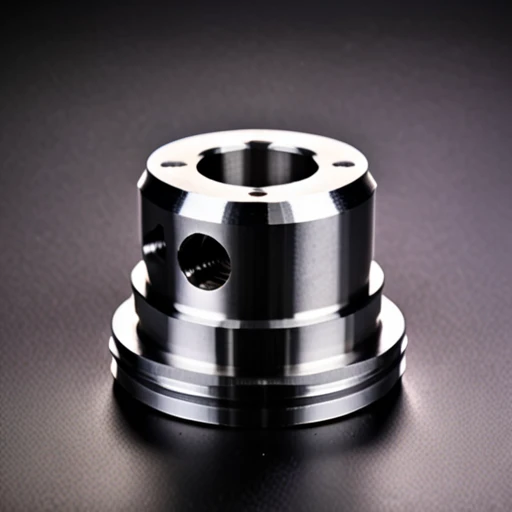
First off, let's understand why surface quality matters. A good surface finish isn't just about looks. It can have a huge impact on the functionality of the part. For example, in precision components, a smooth surface can reduce friction and wear, increasing the lifespan of the part. Also, a high - quality surface can improve the part's corrosion resistance.

Tool Selection
One of the most important factors in achieving a great surface finish is tool selection. Using the right cutting tool can make or break your surface quality.
- Tool Material: Different materials are suitable for different applications. For instance, carbide tools are very popular because they're hard and can withstand high cutting speeds. They're great for machining hard materials like stainless steel. On the other hand, high - speed steel (HSS) tools are more flexible and can be a good choice for softer materials or when you need a tool that can be easily resharpened. You can check out a wide range of CNC Millings to find the right tool material for your project.
- Tool Geometry: The shape and design of the tool also play a big role. Tools with a larger nose radius tend to produce a better surface finish. This is because a larger nose radius reduces the scallop height left on the surface after each pass. Also, the number of flutes on the tool matters. More flutes generally mean a smoother finish, but they can also generate more heat and require more power.
Cutting Parameters
Getting the cutting parameters right is essential for improving surface quality.
- Cutting Speed: This is how fast the tool moves relative to the workpiece. If the cutting speed is too low, the tool may rub against the material instead of cutting it cleanly, which can lead to a poor surface finish. On the other hand, if the cutting speed is too high, it can cause excessive heat and tool wear. You need to find the optimal cutting speed based on the material you're machining and the tool you're using.
- Feed Rate: The feed rate is how fast the workpiece moves into the tool. A lower feed rate usually results in a better surface finish because the tool has more time to cut each chip cleanly. However, a very low feed rate can make the machining process very slow and inefficient.
- Depth of Cut: The depth of cut refers to how much material is removed in each pass. A shallower depth of cut generally leads to a better surface finish. But again, you need to balance this with the overall machining time. If you take too many shallow passes, it'll take forever to finish the part. You can learn more about these parameters in the CNC Milling Process.
Workpiece Setup
Proper workpiece setup is often overlooked but can have a significant impact on surface quality.
- Fixturing: Make sure the workpiece is firmly held in place. Any movement during the machining process can cause vibrations, which will result in a poor surface finish. Use high - quality fixtures and clamps to secure the workpiece. You might need to experiment with different fixturing methods to find the best one for your part.
- Workpiece Material: The quality and consistency of the workpiece material also matter. If the material has inclusions or variations in hardness, it can affect the cutting process and the surface finish. Try to use high - quality materials and have them properly heat - treated if necessary.
Coolant and Lubrication
Using the right coolant and lubrication can greatly improve surface quality.
- Coolant Type: There are different types of coolants, such as water - based and oil - based coolants. Water - based coolants are great for dissipating heat, which is important for preventing tool wear and improving surface finish. Oil - based coolants, on the other hand, can provide better lubrication, reducing friction between the tool and the workpiece.
- Coolant Application: How you apply the coolant also matters. You need to make sure the coolant reaches the cutting zone effectively. Some machines have built - in coolant delivery systems, but you may need to adjust the flow rate and direction to get the best results.
Machine Maintenance
A well - maintained machine is key to achieving a high - quality surface finish.
- Spindle Accuracy: The spindle is the part of the machine that holds the cutting tool. If the spindle isn't accurate, it can cause the tool to move erratically, resulting in a poor surface finish. Regularly check and calibrate the spindle to ensure its accuracy.
- Axis Movement: The movement of the machine's axes should be smooth and precise. Any backlash or play in the axes can lead to vibrations and a rough surface finish. Make sure to lubricate the axes regularly and check for any signs of wear.
Post - Processing
Sometimes, post - processing can be used to improve the surface quality even further.
- Polishing: After the CNC milling process, you can polish the part to remove any remaining roughness. There are different polishing methods, such as mechanical polishing and chemical polishing. Mechanical polishing involves using abrasive materials to smooth the surface, while chemical polishing uses chemicals to dissolve the top layer of the material.
- Deburring: Removing burrs is an important step. Burrs can make the surface look rough and can also affect the functionality of the part. You can use deburring tools or even some automated deburring processes to get rid of burrs.
In conclusion, improving the surface quality in CNC milling is a multi - faceted process. It involves everything from choosing the right tools and cutting parameters to proper workpiece setup and machine maintenance. By paying attention to these details, you can achieve a high - quality surface finish that meets your customers' requirements.
If you're in the market for CNC milling services or products and want to discuss how we can help you improve the surface quality of your parts, don't hesitate to reach out. We're here to assist you in getting the best results for your projects.
References
- "CNC Machining Handbook"
- Industry research papers on CNC milling surface quality improvement.
Send Inquiry