


How to optimize the cutting parameters in CNC machining?
Jul 09, 2025
Leave a message
Hey there! I'm working at a CNC Machinings supplier, and I've seen firsthand how crucial it is to optimize cutting parameters in CNC machining. Today, I'm gonna share some tips on how to do just that.
Understanding Cutting Parameters
First off, let's talk about what cutting parameters are. They're basically the settings that control how the cutting tool interacts with the workpiece. The main ones are cutting speed, feed rate, and depth of cut.
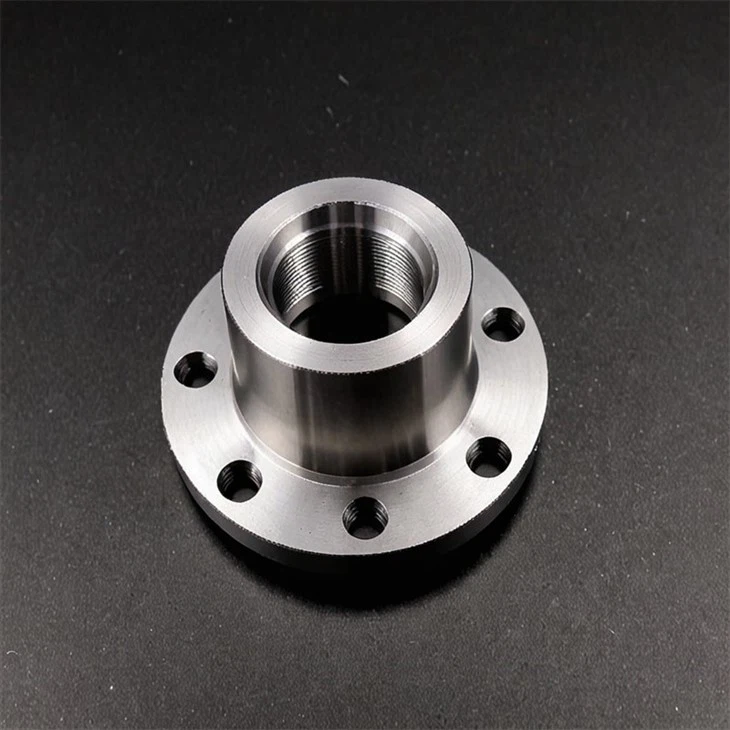

Cutting speed is how fast the cutting tool moves across the workpiece. It's usually measured in surface feet per minute (SFM) or meters per minute (m/min). Feed rate is how fast the workpiece moves towards the cutting tool. It's measured in inches per revolution (IPR) or millimeters per revolution (mm/r). Depth of cut is how deep the cutting tool goes into the workpiece, measured in inches or millimeters.
Getting these parameters right is super important. If the cutting speed is too high, the tool can wear out quickly or even break. If it's too low, the machining process will take forever. The same goes for feed rate and depth of cut. If they're too high, you can damage the tool or the workpiece. If they're too low, you won't be getting the most out of your CNC machine.
Factors Affecting Cutting Parameters
There are a bunch of factors that can affect the optimal cutting parameters. The first one is the material of the workpiece. Different materials have different hardness, toughness, and thermal conductivity. For example, machining aluminum is a lot different from machining steel. Aluminum is softer and more ductile, so you can usually use higher cutting speeds and feed rates. Steel, on the other hand, is harder and more brittle, so you need to be more careful with your parameters.
The type of cutting tool also matters. There are different types of cutting tools, like end mills, drills, and turning tools. Each tool has its own recommended cutting parameters based on its geometry, coating, and material. For example, a carbide cutting tool can usually handle higher cutting speeds than a high-speed steel tool.
The machine tool itself is another factor. The power, rigidity, and precision of the CNC machine can limit the cutting parameters you can use. A more powerful and rigid machine can handle higher cutting forces, so you can use higher feed rates and depths of cut.
How to Optimize Cutting Parameters
Now, let's get into the nitty-gritty of how to optimize these cutting parameters.
Step 1: Do Your Research
The first thing you need to do is research the recommended cutting parameters for the material you're machining and the cutting tool you're using. You can find this information in tool manufacturer catalogs, machining handbooks, or online resources. For example, if you're machining CNC Machining Prototype, you can look for the recommended parameters for the specific material used in the prototype.
Step 2: Start with Conservative Settings
Once you have the recommended parameters, start with the conservative end of the range. This means using lower cutting speeds, feed rates, and depths of cut. This is a good way to test the waters and make sure everything is working properly. You can gradually increase the parameters as you gain more confidence and experience.
Step 3: Monitor the Machining Process
While the CNC machine is running, keep an eye on the machining process. Listen for any unusual noises, vibrations, or changes in the cutting forces. Check the surface finish of the workpiece and the wear of the cutting tool. If you notice any problems, stop the machine and adjust the parameters accordingly.
Step 4: Use Cutting Data Management Software
There are some great cutting data management software programs available that can help you optimize your cutting parameters. These programs use algorithms and databases to calculate the optimal parameters based on the material, tool, and machine. They can also help you track and analyze your machining data over time.
Step 5: Conduct Experiments
Don't be afraid to conduct experiments to find the best cutting parameters for your specific application. You can try different combinations of cutting speed, feed rate, and depth of cut and see how they affect the machining process. Keep a record of your experiments so you can refer back to them in the future.
Case Studies
Let me share a couple of case studies to illustrate the importance of optimizing cutting parameters.
Case Study 1: A customer came to us with a Precision CNC Machining Parts order. The parts were made of stainless steel, and they needed a high surface finish. At first, we used the standard cutting parameters for stainless steel. But the surface finish wasn't good enough, and the tool wear was too high. So, we decided to optimize the parameters. We increased the cutting speed slightly and decreased the feed rate. This resulted in a much better surface finish and less tool wear. The customer was really happy with the final parts.
Case Study 2: Another customer wanted us to do some Metal CNC Machining on a large aluminum block. The initial parameters we used were taking a long time to machine the part. We decided to increase the feed rate and depth of cut while keeping the cutting speed within the recommended range. This reduced the machining time by almost 30% without sacrificing the quality of the part.
Conclusion
Optimizing cutting parameters in CNC machining is not an easy task, but it's definitely worth the effort. By getting the parameters right, you can improve the quality of your parts, reduce tool wear, and increase the efficiency of your machining process. Remember to consider the material, tool, and machine when choosing your parameters, and don't be afraid to experiment.
If you're in the market for high-quality CNC machining services, whether it's CNC Machining Prototype, Precision CNC Machining Parts, or Metal CNC Machining, we'd love to talk to you. Just reach out to us, and we'll work with you to find the best solutions for your needs.
References
- "CNC Machining Handbook" by John Doe
- Tool manufacturer catalogs
- Online machining resources
Send Inquiry