


How to train operators for cnc millings?
Jun 03, 2025
Leave a message
Training operators for CNC millings is crucial for any business in the manufacturing industry. As a supplier of CNC Millings, I've seen firsthand the impact that well - trained operators can have on the efficiency and quality of production. In this blog, I'll share some tips on how to train operators for CNC millings effectively.
Understanding the Basics
Before diving into the technical aspects of CNC millings, it's essential for operators to have a solid understanding of the basics. This includes learning about the machine itself, its components, and how it functions.
Start by introducing the operators to the different parts of the CNC milling machine. Explain what each component does and how they work together. For example, the spindle is responsible for holding and rotating the cutting tool, while the table moves the workpiece in different directions. Make sure they understand the safety features of the machine, like emergency stop buttons and protective guards.
Another important aspect is understanding the CNC Milling Process. Teach them about the different types of cuts, such as face milling, peripheral milling, and slot milling. Explain how the cutting parameters, like speed, feed rate, and depth of cut, affect the quality of the finished product. You can use real - life examples and visual aids to make these concepts easier to understand.
Classroom Training
Classroom training is a great way to lay the foundation for CNC milling operation. It allows operators to learn at a controlled pace and ask questions freely.
During classroom sessions, cover topics like G - code programming. G - code is the language that CNC machines use to understand instructions. Teach the operators the basic G - code commands, such as those for movement (G00, G01), circular interpolation (G02, G03), and tool selection (T codes). You can use simple exercises and simulations to help them practice writing and interpreting G - code.
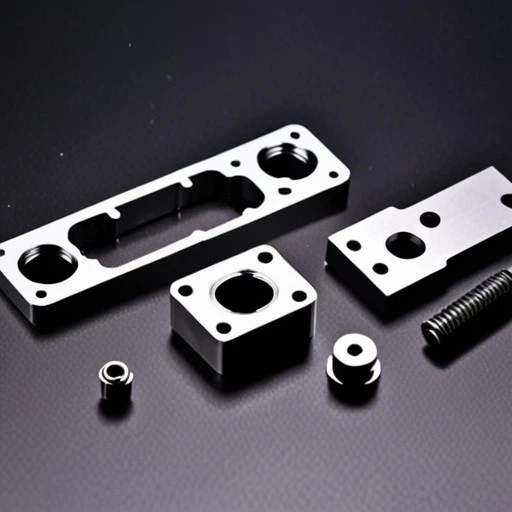

Also, discuss CAD/CAM software. CAD (Computer - Aided Design) is used to create the 3D models of the parts, and CAM (Computer - Aided Manufacturing) generates the toolpaths based on those models. Show the operators how to use these software programs to import designs, set up the machining operations, and generate the necessary code for the CNC milling machine.
Hands - on Training
After the classroom training, it's time for hands - on experience. This is where the operators really start to learn how to operate the CNC milling machine.
Begin with simple projects. Let them start by making basic parts with straightforward geometries, like a square block with a few holes. This will help them get familiar with the machine's controls, such as how to load and unload the workpiece, how to set up the tool, and how to start and stop the machining process.
As they gain more confidence, gradually increase the complexity of the projects. Introduce more advanced features of the machine, like multi - axis machining or using different types of cutting tools. Provide close supervision during the hands - on training to ensure their safety and to correct any mistakes they make.
Safety Training
Safety should always be a top priority when training CNC milling operators. Teach them about the potential hazards associated with the machine, such as flying chips, rotating parts, and electrical risks.
Show them how to wear the appropriate personal protective equipment (PPE), like safety glasses, earplugs, and gloves. Train them on how to properly maintain the machine to prevent accidents. For example, they should know how to clean the chips from the work area, how to check the coolant levels, and how to lubricate the moving parts.
Also, teach them the emergency procedures. They should know what to do in case of a power failure, a tool breakage, or any other unexpected situation. Conduct regular safety drills to reinforce these procedures.
Continuous Learning and Improvement
CNC milling technology is constantly evolving. To keep up with the latest trends and techniques, operators need to engage in continuous learning.
Encourage them to attend industry seminars, workshops, and training courses. These events can provide them with the opportunity to learn about new machining strategies, the latest software updates, and advancements in cutting tool technology.
You can also set up an in - house knowledge sharing system. For example, have experienced operators share their tips and tricks with new employees. This can create a culture of learning within the organization and help everyone improve their skills.
Quality Control
Quality control is an integral part of CNC milling operations. Train the operators on how to measure the finished parts accurately using tools like calipers, micrometers, and coordinate measuring machines (CMMs).
Teach them about the importance of tolerance. Explain what tolerance means in the context of CNC milling and how it affects the functionality of the parts. Show them how to identify common machining errors, such as surface finish problems, dimensional inaccuracies, and burrs.
Set up a quality control process where the operators can inspect their own work and make adjustments as needed. This will not only improve the quality of the products but also increase the operators' sense of responsibility.
Troubleshooting Skills
Even with proper training and maintenance, problems can still occur during CNC milling operations. Train the operators on how to troubleshoot common issues.
For example, if the machine is making strange noises, they should know how to check the bearings, the belts, and the spindle. If the tool is wearing out too quickly, they should be able to analyze the cutting parameters and the type of material being machined.
Provide them with a troubleshooting guide that lists the common problems, their possible causes, and the solutions. Encourage them to document any problems they encounter and the steps they take to fix them. This will help build a knowledge base for future reference.
Conclusion
Training operators for CNC millings is a multi - faceted process that requires a combination of theoretical knowledge, hands - on experience, safety training, and continuous learning. By following these steps, you can ensure that your operators are well - equipped to operate the CNC milling machines efficiently and safely.
If you're in the market for high - quality CNC Millings or need more information on training your operators, don't hesitate to reach out. We're here to help you take your manufacturing business to the next level. Contact us to start a discussion about your specific needs and how we can support you.
References
- "CNC Machining Handbook"
- Industry - specific trade magazines and online resources related to CNC milling
Send Inquiry