


What are the advantages of laser cutting in the automotive industry?
Dec 10, 2025
Leave a message
In the dynamic landscape of the automotive industry, precision, efficiency, and innovation are the cornerstones of success. Laser cutting has emerged as a transformative technology, offering a multitude of advantages that have revolutionized the manufacturing processes within this sector. As a leading Laser Cutting supplier, I have witnessed firsthand the profound impact that laser cutting has had on the automotive industry, and I am excited to share these benefits with you.
Precision and Accuracy
One of the most significant advantages of laser cutting in the automotive industry is its unparalleled precision and accuracy. Laser cutting systems utilize a high - energy laser beam to cut through various materials, such as steel, aluminum, and titanium, with extreme precision. This level of accuracy is crucial in the automotive industry, where even the slightest deviation can lead to significant issues in the performance and safety of vehicles.
For instance, when manufacturing engine components, such as pistons and cylinder heads, the exact dimensions and tolerances are critical. Laser cutting can achieve tolerances as tight as ±0.05 mm, ensuring that each part meets the strict specifications required for optimal engine performance. This precision also extends to the cutting of body panels, where a perfect fit is essential for both aesthetic and structural integrity.
Versatility in Material and Design
Laser cutting is incredibly versatile, capable of cutting a wide range of materials used in the automotive industry. Whether it's thin sheet metals for body panels or thick structural components, laser cutting can handle them all. This versatility allows automotive manufacturers to use a single cutting technology for multiple applications, streamlining the production process and reducing costs.
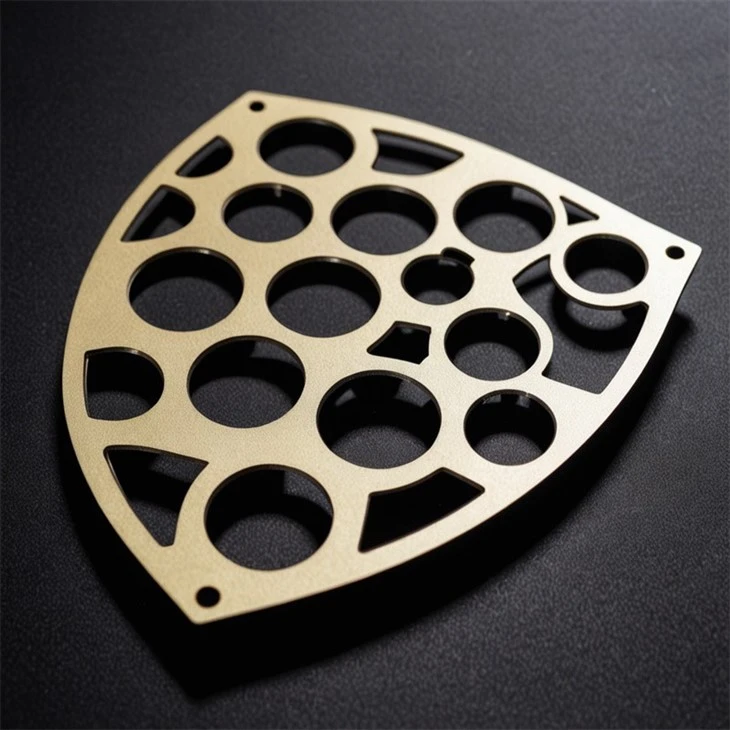
Moreover, laser cutting offers great flexibility in design. Complex shapes and patterns that would be difficult or impossible to achieve with traditional cutting methods can be easily created using laser cutting. This enables automotive designers to push the boundaries of creativity and innovation, resulting in more aerodynamic and visually appealing vehicle designs. For example, the intricate grilles and air intakes found on modern sports cars can be precisely cut using laser technology, enhancing both the vehicle's performance and its aesthetic appeal.
High - Speed Cutting
In the automotive industry, time is of the essence. Laser cutting systems are known for their high - speed cutting capabilities, which significantly reduce production time. Compared to traditional cutting methods, such as mechanical cutting or plasma cutting, laser cutting can cut through materials much faster. This increased speed allows automotive manufacturers to produce more parts in less time, meeting the high - volume demands of the market.
For example, in the mass production of automotive frames, laser cutting can quickly and accurately cut the required shapes and holes, enabling a more efficient assembly process. The high - speed cutting also reduces the overall production cycle time, allowing manufacturers to bring new vehicle models to market more quickly.
Minimal Material Waste
Another advantage of laser cutting is its ability to minimize material waste. The laser beam is very narrow, typically ranging from 0.1 to 0.3 mm, which means that the kerf (the width of the cut) is extremely small. This results in less material being removed during the cutting process, reducing waste and saving costs.
In the automotive industry, where raw material costs can be a significant portion of the overall production cost, minimizing waste is crucial. By using laser cutting, manufacturers can make the most of their materials, optimizing the use of resources and reducing their environmental impact. Additionally, the reduced waste also means less disposal, contributing to a more sustainable manufacturing process.

Non - Contact Cutting
Laser cutting is a non - contact cutting method, which means that the laser beam does not physically touch the material being cut. This has several advantages in the automotive industry. Firstly, it eliminates the risk of mechanical damage to the material, such as burrs or deformation, which can occur with traditional cutting methods. This is particularly important for high - quality automotive components, where any surface imperfections can affect the performance and appearance of the final product.
Secondly, non - contact cutting reduces wear and tear on the cutting equipment. Since there is no direct contact between the cutting tool and the material, there is no need for frequent tool replacement, which saves both time and money. This also ensures a more consistent cutting quality over a long period of time.
Automation and Integration
Laser cutting systems can be easily integrated into automated production lines in the automotive industry. Automation allows for continuous and uninterrupted production, improving efficiency and reducing labor costs. With the use of computer - numerical control (CNC) technology, laser cutting machines can be programmed to cut parts with high precision and repeatability.
Automated laser cutting systems can also be connected to other manufacturing processes, such as welding and assembly, creating a seamless production flow. This integration enables real - time monitoring and control of the production process, ensuring that each part meets the required quality standards. For example, in a modern automotive assembly plant, laser - cut parts can be automatically transferred to the welding station, where they are joined together to form the vehicle's body structure.
Improved Quality and Surface Finish
The quality of the cut produced by laser cutting is superior to that of traditional cutting methods. Laser - cut edges are clean and smooth, with minimal heat - affected zones. This results in a better surface finish, which is important for both the appearance and the functionality of automotive parts.
For example, in the production of automotive interior components, such as dashboard panels and door trims, a smooth surface finish is essential for a high - quality look and feel. Laser cutting ensures that these components have a clean and professional appearance, enhancing the overall customer experience.
Cost - Effectiveness
Although the initial investment in laser cutting equipment may be relatively high, the long - term cost - effectiveness of laser cutting in the automotive industry is undeniable. The combination of high - speed cutting, minimal material waste, and reduced labor costs due to automation results in significant cost savings over time.
In addition, the high precision and quality of laser - cut parts reduce the need for secondary processing and rework, further reducing costs. The ability to produce complex parts in a single operation also eliminates the need for multiple manufacturing steps, which can be both time - consuming and expensive.
Bead Spraying Equipment and Laser Cutting Services
As a Laser Cutting supplier, we also offer Bead Spraying Equipment and Laser Cutting Services to meet the diverse needs of the automotive industry. Our bead spraying equipment can be used in conjunction with laser cutting to enhance the surface properties of automotive parts, such as improving corrosion resistance and paint adhesion. Our laser cutting services are tailored to the specific requirements of each customer, ensuring high - quality and cost - effective solutions.
Conclusion
In conclusion, laser cutting offers numerous advantages in the automotive industry, including precision, versatility, high - speed cutting, minimal material waste, non - contact cutting, automation, improved quality, and cost - effectiveness. As a Laser Cutting supplier, we are committed to providing the latest laser cutting technology and solutions to help automotive manufacturers stay competitive in the market.
If you are an automotive manufacturer looking to improve your production processes, enhance the quality of your products, or reduce costs, we invite you to contact us for a detailed discussion. Our team of experts is ready to assist you in finding the best laser cutting solutions for your specific needs.
References
- "Laser Cutting Technology in the Automotive Industry" - Journal of Automotive Manufacturing
- "Advances in Laser Cutting for Automotive Applications" - International Conference on Automotive Engineering
- "The Impact of Laser Cutting on Automotive Production Efficiency" - Automotive Manufacturing Review
Send Inquiry