


What are the benefits of laser cutting in electronics manufacturing?
Dec 04, 2025
Leave a message
In the dynamic realm of electronics manufacturing, precision and efficiency are paramount. Laser cutting has emerged as a game - changing technology, offering numerous benefits that have revolutionized the way electronic components are fabricated. As a leading Laser Cutting supplier, I have witnessed firsthand how this technology has transformed the electronics manufacturing landscape.
Precision and Accuracy
One of the most significant advantages of laser cutting in electronics manufacturing is its unparalleled precision. Lasers can cut through a variety of materials, including metals, plastics, and ceramics, with extremely high accuracy. In the electronics industry, where components are often minuscule and require exact specifications, this precision is crucial. For example, when manufacturing printed circuit boards (PCBs), laser cutting can create fine traces and vias with micron - level accuracy. This precision ensures that the electrical connections are reliable, reducing the risk of short - circuits and other electrical failures.
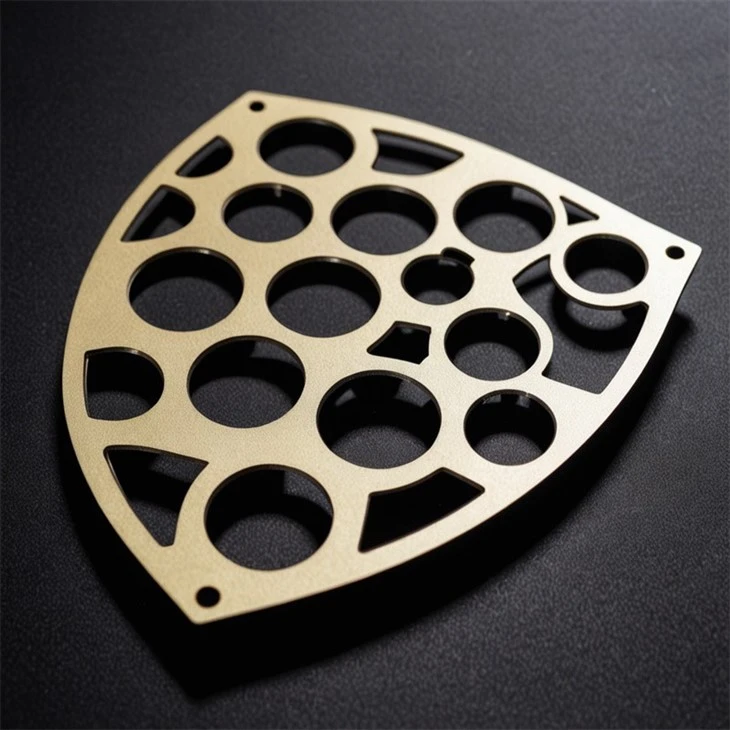
The focused laser beam can cut intricate shapes and patterns that would be impossible or extremely difficult to achieve with traditional cutting methods. This is particularly useful for creating custom - designed electronic enclosures. These enclosures need to fit the internal components perfectly, and laser cutting allows for the creation of complex geometries with tight tolerances. Whether it's a sleek smartphone case or a compact wearable device housing, laser cutting can produce parts that meet the exact design requirements.
Clean and Burr - Free Cuts
Laser cutting produces clean, burr - free edges on the cut materials. In electronics manufacturing, burrs can be a major problem. They can interfere with the proper functioning of components, cause short - circuits, or damage delicate parts during assembly. For instance, when cutting metal sheets for electronic chassis, traditional cutting methods may leave burrs that need to be removed through additional finishing processes. Laser cutting eliminates this need, saving time and reducing production costs.
The clean cuts also enhance the overall aesthetic appeal of the electronic products. This is especially important for consumer electronics, where the appearance of the device is a significant factor in the purchasing decision. A smooth, burr - free edge gives the product a professional and high - quality look, which can increase its marketability.
High - Speed Cutting
Time is money in the electronics manufacturing industry, and laser cutting offers high - speed cutting capabilities. Lasers can cut through materials at a much faster rate compared to traditional mechanical cutting methods. This high - speed operation allows for increased production throughput, enabling manufacturers to meet tight deadlines and high - volume orders.

For example, in the mass production of small electronic components such as connectors or switches, laser cutting can significantly reduce the production time. The ability to cut multiple parts in a short period of time also makes it possible to quickly adapt to changes in market demand. If there is a sudden increase in the demand for a particular electronic product, manufacturers can ramp up production using laser cutting technology.
Versatility in Material Compatibility
Laser cutting is highly versatile when it comes to material compatibility. It can be used to cut a wide range of materials commonly used in electronics manufacturing, including metals (such as copper, aluminum, and stainless steel), plastics (such as polycarbonate, acrylic, and ABS), and ceramics. This versatility is a major advantage as different electronic components may require different materials.
For example, copper is often used in PCBs for its excellent electrical conductivity, and laser cutting can precisely cut copper foils to create the desired circuit patterns. Plastics are used for enclosures and insulation, and laser cutting can shape them into various forms. Ceramics, which are known for their high - temperature resistance and electrical insulation properties, can also be cut with lasers for use in specialized electronic applications.
Non - Contact Cutting
Laser cutting is a non - contact cutting process, which means that the laser beam does not physically touch the material being cut. This has several benefits in electronics manufacturing. Firstly, it eliminates the risk of mechanical damage to the material. For delicate electronic components, any physical contact during the cutting process can cause deformation or damage, rendering the component useless. Laser cutting avoids this problem by using a focused beam of light to cut the material.
Secondly, non - contact cutting reduces the wear and tear on the cutting equipment. Traditional cutting tools need to be replaced regularly due to wear, which can increase production costs. With laser cutting, there are no physical cutting tools to wear out, resulting in lower maintenance costs and longer equipment lifespan.
Automation and Integration
Laser cutting systems can be easily integrated into automated manufacturing processes. In modern electronics manufacturing, automation is key to improving efficiency and reducing human error. Laser cutting machines can be programmed to cut parts with high precision and repeatability. They can be connected to computer - aided design (CAD) and computer - aided manufacturing (CAM) systems, allowing for seamless transfer of design data.
This integration enables manufacturers to achieve a high level of process control. For example, in a fully automated production line, laser cutting can be synchronized with other processes such as pick - and - place operations, soldering, and testing. This streamlines the entire manufacturing process, reducing the time and labor required for production.
Cost - Effectiveness
Although the initial investment in laser cutting equipment may be relatively high, in the long run, laser cutting is a cost - effective solution for electronics manufacturing. The high - speed cutting, reduced need for secondary finishing processes, and lower maintenance costs all contribute to overall cost savings.
The ability to produce high - quality parts with a low defect rate also reduces the cost associated with rework and scrap. For example, if a traditional cutting method results in a high percentage of defective parts, the cost of reworking or discarding these parts can be substantial. Laser cutting, with its high precision and reliability, minimizes these costs.
Environmental Friendliness
In today's world, environmental concerns are becoming increasingly important. Laser cutting is a relatively environmentally friendly process compared to some traditional cutting methods. It produces less waste as it can cut materials with high precision, minimizing the amount of scrap material. Additionally, laser cutting does not use any cutting fluids or lubricants, which can be a source of pollution in traditional machining processes.
As a Laser Cutting supplier, we are committed to providing high - quality laser cutting services to the electronics manufacturing industry. Our Laser Cutting Services are designed to meet the diverse needs of our customers, from small - scale prototyping to large - scale production. We also offer Bead Spraying Equipment for additional surface finishing requirements.
If you are in the electronics manufacturing industry and are looking for a reliable and efficient laser cutting solution, we invite you to contact us for a detailed discussion. Our team of experts can help you determine the best laser cutting approach for your specific needs and provide you with a competitive quote. We look forward to partnering with you to take your electronics manufacturing to the next level.
References
- "Laser Cutting Technology in Electronics Manufacturing" - Journal of Electronics Manufacturing
- "Advances in Precision Cutting for Electronic Components" - International Journal of Precision Engineering and Manufacturing
- "The Role of Laser Cutting in High - Speed Electronics Production" - Electronics Production Today Magazine
Send Inquiry