


What are the different types of vacuum - casting equipment?
Dec 29, 2025
Leave a message
When delving into the world of manufacturing, vacuum casting stands out as a highly versatile and efficient process. As a seasoned supplier in the field of Vacuum Casting, I've witnessed firsthand the transformative impact of this technology on various industries. In this blog, we'll explore the different types of vacuum - casting equipment, shedding light on their unique features, applications, and benefits.
1. Benchtop Vacuum Casting Machines
Benchtop vacuum casting machines are a popular choice for small - scale production and prototyping. These compact units are designed to fit on a workbench, making them ideal for startups, small workshops, and educational institutions.
One of the key advantages of benchtop machines is their affordability. They offer a cost - effective solution for those who are just starting out in the vacuum casting business or have limited budgets. Despite their small size, these machines can produce high - quality castings with excellent precision.
They typically come with a simple control panel that allows operators to adjust parameters such as vacuum level, pouring speed, and curing time. This user - friendly interface makes it easy for beginners to learn and operate the machine.
Benchtop vacuum casting machines are commonly used for creating small - sized parts, jewelry, dental models, and prototypes for product development. For instance, in the jewelry industry, these machines can be used to cast intricate designs with fine details. If you're interested in exploring more specialized services related to vacuum casting for metal, you can visit Vacuum Casting Metal Services.
2. Industrial - Scale Vacuum Casting Systems
Industrial - scale vacuum casting systems are the workhorses of large - volume production. These machines are designed to handle high - throughput operations and can produce a large number of castings in a relatively short period.
They are built with robust construction and advanced technology to ensure reliability and consistency in production. Industrial systems often feature multiple chambers, which allow for simultaneous casting processes, increasing the overall productivity.
These machines are equipped with sophisticated control systems that can precisely monitor and adjust various parameters such as temperature, pressure, and vacuum level. This level of control is crucial for producing high - quality castings with tight tolerances, especially in industries like automotive, aerospace, and medical devices.
In the automotive industry, industrial - scale vacuum casting systems are used to produce engine components, transmission parts, and other critical elements. The ability to produce large quantities of high - precision parts makes these machines indispensable for mass production. If you're looking for comprehensive Vacuum Mold Casting Services, these industrial systems are often the key to meeting large - scale production demands.
3. Vacuum Casting Machines for Specific Materials
Aluminum Vacuum Casting Machines
Aluminum is a widely used material in various industries due to its lightweight, high strength - to - weight ratio, and good corrosion resistance. Vacuum casting machines specifically designed for aluminum offer several advantages.
These machines are engineered to handle the unique properties of aluminum, such as its high melting point and fluidity. They are equipped with specialized heating elements and insulation to ensure that the aluminum remains in a molten state during the casting process.
Aluminum vacuum casting machines can produce complex - shaped parts with excellent surface finish. In the aerospace industry, aluminum castings are used for aircraft structures, engine components, and landing gear parts. If you're interested in Vacuum Casting Aluminum Services, these machines are at the core of the production process.
Resin Vacuum Casting Machines
Resin vacuum casting machines are commonly used for creating prototypes, art pieces, and small - scale production parts. Resins offer a wide range of properties, including transparency, flexibility, and hardness, making them suitable for various applications.
These machines use a vacuum environment to remove air bubbles from the resin, ensuring a bubble - free casting. They are often used in the production of clear plastic components, such as lenses, light guides, and decorative items. Resin vacuum casting is also popular in the art industry for creating sculptures and figurines.
4. Continuous Vacuum Casting Equipment
Continuous vacuum casting equipment is designed for high - speed, continuous production of cast products. This type of equipment is particularly useful for manufacturing long, continuous shapes, such as rods, tubes, and wires.
The process involves continuously feeding the molten material into a mold while maintaining a vacuum environment. This allows for a seamless and efficient production process, with minimal interruption.
Continuous vacuum casting equipment is widely used in the metallurgical industry for producing metal bars and wires. It offers high productivity, excellent dimensional accuracy, and consistent quality.
5. Advanced Hybrid Vacuum Casting Systems
Advanced hybrid vacuum casting systems combine the features of different types of casting methods to achieve enhanced performance. For example, some hybrid systems may integrate vacuum casting with pressure casting or other manufacturing processes.
These systems can offer the benefits of multiple casting techniques, such as improved filling of the mold, reduced porosity, and better control over the casting process. They are often used in the production of high - performance parts that require precise mechanical properties and complex geometries.
Applications and Benefits of Different Vacuum - Casting Equipment
The different types of vacuum - casting equipment serve a wide range of industries and applications. One of the main benefits of vacuum casting is its ability to produce high - quality parts with excellent surface finish and dimensional accuracy. The vacuum environment helps to eliminate air bubbles and porosity, resulting in stronger and more reliable castings.

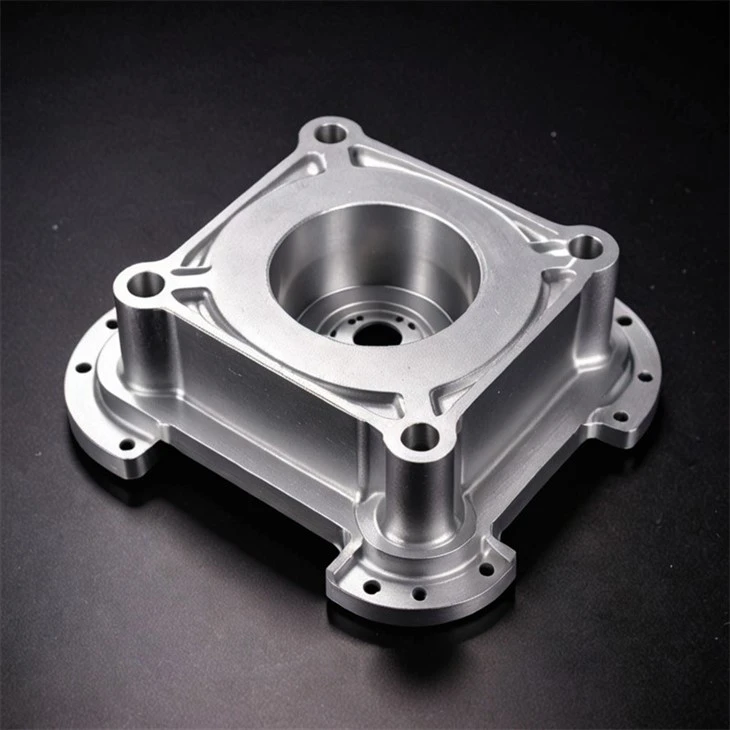
Another advantage is the versatility of the process. Different types of materials, including metals, resins, and polymers, can be used in vacuum casting, allowing for the production of a diverse range of products.
In addition, vacuum casting is a relatively cost - effective method, especially for small to medium - scale production. It requires less tooling compared to other casting methods, reducing the initial investment and lead time.
Contact for Purchasing and Collaboration
If you're in the market for vacuum - casting equipment or services, I invite you to reach out for a detailed discussion. Our team of experts can provide you with in - depth information about the different types of equipment, their suitability for your specific applications, and pricing options. Whether you're a startup looking to invest in a benchtop machine for prototyping or a large - scale manufacturer in need of an industrial - grade system, we can offer tailored solutions to meet your requirements. Let's work together to take your manufacturing processes to the next level.
References
- "Vacuum Casting Technology: Principles and Applications" by John Smith
- "Advanced Manufacturing Processes in the 21st Century" edited by Jane Doe
- Industry reports on vacuum casting equipment and market trends from leading research firms
Send Inquiry