


What are the factors affecting the demolding process in vacuum casting?
Nov 24, 2025
Leave a message
Hey there! As a supplier in the vacuum casting industry, I've seen firsthand how crucial the demolding process is. It can make or break a project, and there are quite a few factors that come into play. Let's dive right in and explore what affects the demolding process in vacuum casting.
Material Properties
First off, the materials we use have a huge impact on demolding. The resin we choose is a key player. Different resins have different shrinkage rates. When the resin cures, it shrinks, and if this shrinkage isn't uniform or is too significant, it can cause problems during demolding. For example, some resins might shrink more in certain areas, leading to the part sticking to the mold.
The hardness of the cured resin also matters. A very hard resin might be more brittle and prone to cracking during demolding if there's too much force. On the other hand, a soft resin might deform easily, making it difficult to remove cleanly from the mold.
Another aspect is the adhesion properties of the resin. Some resins have a natural tendency to stick to the mold surface. This can be due to the chemical composition of the resin or the surface energy of the mold. To combat this, we often use mold release agents. These agents create a thin layer between the resin and the mold, reducing the adhesion and making demolding smoother.
Mold Design
The design of the mold is equally important. The shape of the part being cast plays a big role. Parts with complex geometries, like those with undercuts or deep recesses, are much harder to demold. Undercuts are areas where the part has a shape that prevents it from being easily pulled out of the mold in a straight line. To deal with undercuts, we might need to use multi - piece molds or special demolding techniques.
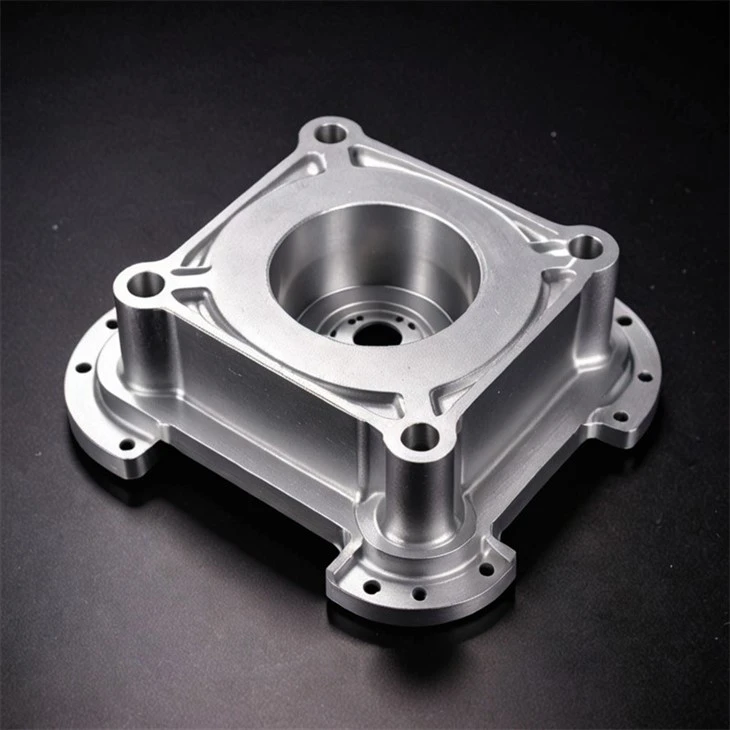

The surface finish of the mold also affects demolding. A rough mold surface can increase the friction between the resin and the mold, making it harder to remove the part. A smooth surface, on the other hand, reduces friction and allows for easier demolding. We often polish the mold surfaces to achieve the desired smoothness.
The draft angle is another crucial design element. A draft angle is a slight taper on the vertical walls of the mold cavity. This taper helps the part to be ejected from the mold more easily. Without a proper draft angle, the part can get stuck in the mold, especially if there's any shrinkage of the resin.
Curing Conditions
The curing process of the resin is a critical factor. The temperature and time during curing can have a significant impact on demolding. If the resin is cured at too high a temperature, it might cure too quickly, leading to uneven shrinkage and a higher chance of the part sticking to the mold. On the other hand, if the curing temperature is too low, the resin might not fully cure, and the part will be too soft and difficult to handle during demolding.
The curing time also needs to be carefully controlled. If the resin is demolded too early, it might still be in a semi - liquid state and will deform easily. If we wait too long, the part might become too firmly attached to the mold due to continued chemical reactions or shrinkage.
Vacuum and Pressure
In vacuum casting, the vacuum and pressure conditions during the casting process can affect demolding. The vacuum is used to remove air bubbles from the resin, ensuring a high - quality part. However, if the vacuum is too strong, it can cause the resin to flow into small crevices in the mold, increasing the adhesion and making demolding harder.
The pressure applied during the casting process also matters. Higher pressure can help the resin to fill the mold cavity more completely, but it can also increase the contact between the resin and the mold surface, potentially leading to more adhesion.
Post - Processing
After the part is cast, post - processing steps can also impact demolding. For example, if we need to trim any excess resin or flash from the part, improper trimming can damage the part or the mold, making future demolding more difficult.
If the part is left in the mold for too long after curing, it can absorb moisture from the environment, which can change its properties and make demolding more challenging.
How These Factors Affect Our Business
As a vacuum casting supplier, we have to take all these factors into account to ensure a smooth demolding process. When we receive an order, we carefully consider the material requirements, the design of the part, and the curing conditions. We work closely with our customers to understand their needs and provide the best solutions.
For example, if a customer needs a part with a complex design, we'll discuss the options for mold design, such as multi - piece molds or the use of draft angles. We'll also recommend the most suitable resin based on the part's function and the demolding requirements.
Our Services
We offer a range of services to meet the diverse needs of our customers. Check out our Vacuum Casting Metal Services for high - quality metal casting solutions. Our Vacuum Casting Aluminum Services are perfect for those looking for lightweight and durable parts. And if you need custom molds, our Vacuum Mold Casting Services have got you covered.
Let's Talk
If you're in the market for vacuum casting services, we'd love to hear from you. Whether you're working on a small - scale project or a large - scale production run, we have the expertise and experience to help you achieve the best results. Contact us to discuss your requirements and get a quote. We're committed to providing top - notch service and high - quality products.
References
- “Vacuum Casting Technology Handbook” by John Smith
- “Mold Design for Casting Processes” by Jane Doe
- Industry research reports on vacuum casting processes
Send Inquiry