


What colors can anodized aluminum have?
Jun 27, 2025
Leave a message
Anodized aluminum is a popular choice in various industries due to its durability, corrosion resistance, and the ability to achieve a wide range of colors. As an anodized aluminum supplier, I often get asked about the colors that anodized aluminum can have. In this blog post, I'll share some insights into the different colors available for anodized aluminum and how they're achieved.
How Anodizing Works
Before we dive into the colors, let's quickly go over how anodizing works. Anodizing is an electrochemical process that converts the surface of aluminum into a durable, corrosion - resistant oxide layer. The aluminum part is submerged in an electrolyte bath and an electric current is passed through it. This causes the aluminum to react with oxygen in the bath, forming a layer of aluminum oxide on its surface. This oxide layer is porous, which allows for the absorption of dyes to create different colors.
Natural and Clear Anodized Aluminum
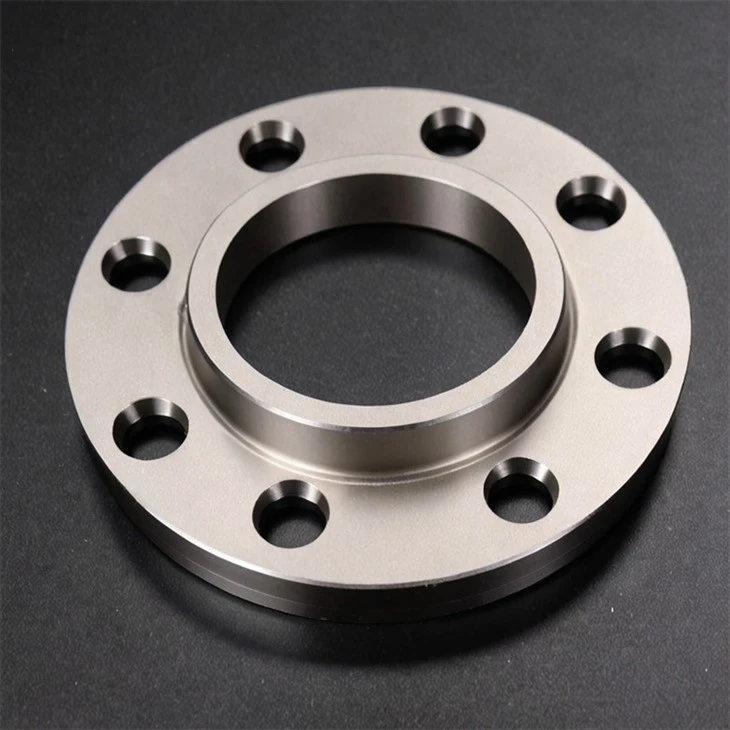
The most basic form of anodized aluminum is the natural or clear anodized finish. This finish gives the aluminum a slightly frosted, metallic look. It enhances the natural beauty of the aluminum while providing protection against corrosion. The clear anodized aluminum is great for applications where you want to maintain the original appearance of the metal but still need some protection. For example, it's commonly used in architectural applications like window frames and door handles. You can check out our Anodizing Metal Services for more details on this type of finish.
Black Anodized Aluminum
Black is one of the most popular colors for anodized aluminum. It's sleek, modern, and can give a high - end look to any product. Black anodized aluminum is widely used in the automotive, aerospace, and electronics industries. In automotive applications, it's used for parts like trim pieces, grilles, and engine components. In electronics, black anodized aluminum is often used for smartphone frames and laptop casings. The black color is achieved by using a black dye during the anodizing process. The dye is absorbed into the porous oxide layer, giving the aluminum its black color. Our Aluminum Anodized Services can provide you with high - quality black anodized aluminum products.
Gold Anodized Aluminum
Gold anodized aluminum has a luxurious and elegant appearance. It's often used in decorative applications, such as jewelry, watch bands, and high - end consumer products. The gold color can range from a pale, champagne - like hue to a rich, deep gold. The gold color is created by using specific dyes or by a process called electrolytic coloring. In electrolytic coloring, metal salts are deposited into the pores of the anodized layer, creating the gold color. This type of finish is very durable and can maintain its color for a long time. If you're interested in gold anodized aluminum for your project, you can explore our Polished Anodized Aluminum Services.
Red, Blue, and Green Anodized Aluminum
These vibrant colors are also achievable with anodized aluminum. Red, blue, and green anodized aluminum are often used in applications where you want to make a bold statement. For example, in the signage industry, these colors can be used to create eye - catching signs. In the consumer goods industry, they can be used for product casings to make the product stand out on the shelves. The colors are achieved by using the appropriate dyes during the anodizing process. However, it's important to note that the color fastness and durability of these bright colors can vary depending on the quality of the dye and the anodizing process.
Other Custom Colors
In addition to the standard colors, we can also create custom colors for anodized aluminum. If you have a specific color in mind for your project, we can work with you to develop a custom anodizing solution. This is especially useful for companies that want to match their brand colors or create a unique look for their products. Our team of experts will use advanced techniques and high - quality dyes to ensure that the custom color meets your requirements.
Factors Affecting Color
There are several factors that can affect the color of anodized aluminum. The type of aluminum alloy used can have an impact on the final color. Different alloys may react differently to the anodizing process and the dyes, resulting in slightly different colors. The thickness of the anodized layer also matters. A thicker anodized layer can hold more dye, which can result in a more intense color. The quality of the dye and the anodizing process parameters, such as the temperature and current density in the electrolyte bath, can also affect the color.
Maintenance of Anodized Aluminum Colors
Anodized aluminum is relatively low - maintenance. However, to keep the color looking its best, it's important to clean it regularly with a mild detergent and water. Avoid using abrasive cleaners or tools, as they can scratch the anodized layer and damage the color. If the anodized aluminum is exposed to harsh chemicals or extreme environmental conditions, it may require more frequent cleaning and maintenance.
Why Choose Our Anodized Aluminum
As an anodized aluminum supplier, we pride ourselves on providing high - quality products with a wide range of colors. Our anodizing process is carefully controlled to ensure consistent color and excellent durability. We use only the best dyes and materials to achieve the colors you want. Whether you need a standard color or a custom color, we have the expertise and resources to meet your needs.
If you're in the market for anodized aluminum products, we'd love to hear from you. Whether you're a small - scale manufacturer or a large - scale industrial company, we can work with you to provide the right anodized aluminum solution for your project. Contact us today to start discussing your requirements and let's bring your ideas to life.

References
- ASM Handbook Committee. (2001). ASM Handbook, Volume 5: Surface Engineering. ASM International.
- Davis, J. R. (Ed.). (1999). Aluminum and Aluminum Alloys. ASM International.
Send Inquiry