


What is the conductivity of vacuum - cast materials?
Jan 06, 2026
Leave a message
Hey there! As a supplier in the vacuum casting business, I often get asked about the conductivity of vacuum - cast materials. So, let's dive right into it and break down what conductivity means in the context of these materials.
Understanding Conductivity
First off, conductivity refers to a material's ability to conduct electricity or heat. In simple terms, if a material has high conductivity, it can easily let electricity flow through it or transfer heat efficiently. On the other hand, low - conductivity materials act as insulators, blocking or reducing the flow of electricity or heat.
When it comes to vacuum - cast materials, the conductivity can vary widely depending on what the material is made of. Vacuum casting is a process where a liquid material is poured into a mold under vacuum conditions to create high - quality parts with fine details. The materials used in this process can range from plastics to metals, and each has its own unique conductivity properties.
Conductivity of Vacuum - Cast Plastics
Let's start with plastics. Most plastics are poor conductors of electricity and heat. That's because they are made up of long chains of molecules that don't allow electrons to move freely. When we vacuum - cast plastics, these inherent properties remain. For example, polycarbonate, a commonly vacuum - cast plastic, has a very low electrical conductivity. This makes it a great choice for applications where electrical insulation is needed, like in the casings of electronic devices.
However, there are some special conductive plastics that have been developed. These plastics are infused with conductive fillers such as carbon nanotubes or metal particles. When vacuum - cast, these conductive plastics can have a much higher electrical conductivity. They are used in applications where a combination of the lightweight and moldability of plastics with some level of conductivity is required, like in antistatic packaging or electromagnetic shielding.
Conductivity of Vacuum - Cast Metals
Now, let's talk about metals. Metals are generally excellent conductors of both electricity and heat. When we use vacuum casting to make metal parts, we can take advantage of these properties. For instance, aluminum is a popular metal for vacuum casting. It has high electrical conductivity, which makes it suitable for electrical components such as heat sinks and electrical connectors.
Copper is another metal that's often vacuum - cast. It has even higher electrical conductivity than aluminum. Copper parts made through vacuum casting are used in high - performance electrical applications, like in power transmission lines and printed circuit boards. The vacuum casting process helps to create copper parts with high purity and fewer defects, which further enhances their conductivity.
The Vacuum Casting Process and Conductivity
The vacuum casting process itself can also have an impact on the conductivity of the final product. When we cast under vacuum, we can reduce the presence of air bubbles and impurities in the material. This is crucial for maintaining high conductivity, especially in metals. Air bubbles and impurities can act as barriers to the flow of electrons, reducing the overall conductivity of the part.
For example, in vacuum - cast aluminum parts, a clean and bubble - free casting will have better electrical and thermal conductivity compared to a part with air inclusions. The vacuum helps to ensure that the metal solidifies in a more uniform way, allowing electrons to move more freely through the material.
Applications Based on Conductivity
The conductivity of vacuum - cast materials determines their applications. For low - conductivity plastics, as I mentioned earlier, they are used in insulation applications. They can protect electrical components from short - circuits and also prevent heat transfer in some cases.
High - conductivity metals, on the other hand, are used in a wide range of electrical and thermal management applications. In the automotive industry, vacuum - cast aluminum parts with high thermal conductivity are used in engine cooling systems. The ability of these parts to transfer heat efficiently helps to keep the engine running at an optimal temperature.
In the electronics industry, the high electrical conductivity of vacuum - cast copper and aluminum parts is essential for the proper functioning of devices. From smartphones to large - scale data centers, these conductive parts play a vital role in ensuring reliable electrical performance.
Our Vacuum Casting Services
As a vacuum casting supplier, we offer a variety of services to meet different conductivity requirements. Whether you need a low - conductivity plastic part for insulation or a high - conductivity metal part for electrical applications, we've got you covered.
We provide Vacuum Casting Aluminum Services that take advantage of aluminum's excellent conductivity properties. Our team uses state - of - the - art equipment and techniques to ensure that the aluminum parts we cast have high purity and optimal conductivity.

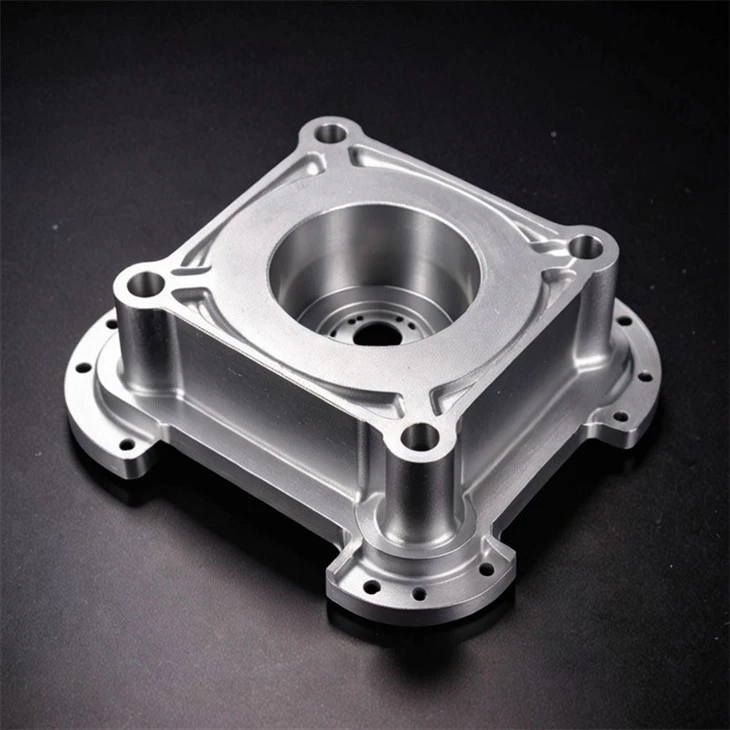
If you're looking for more complex mold - casting solutions, our Vacuum Mold Casting Services can create parts with fine details while maintaining the desired conductivity. We can work with different materials, including both plastics and metals, to meet your specific needs.
And for those who need high - performance metal parts, our Vacuum Casting Metal Services are designed to produce parts with the highest level of conductivity. We use high - quality metals and a strict quality control process to ensure that the final products meet your expectations.
Contact Us for Your Vacuum Casting Needs
If you're in the market for vacuum - cast parts and need to consider conductivity for your application, don't hesitate to reach out. We have the expertise and experience to help you choose the right material and process to achieve the desired conductivity. Whether you're a small - scale startup or a large - scale manufacturer, we can work with you to provide cost - effective and high - quality vacuum - cast solutions.
References
- Ashby, M. F., & Jones, D. R. H. (2012). Engineering Materials 1: An Introduction to Properties, Applications and Design. Butterworth - Heinemann.
- Callister, W. D., & Rethwisch, D. G. (2015). Materials Science and Engineering: An Introduction. Wiley.
- Schaefer, D. W. (2006). Metal Casting: Principles and Practice. McGraw - Hill.
Send Inquiry