


What is the difference between dry cutting and wet cutting in CNC machining?
May 23, 2025
Leave a message
Hey there! As a supplier of CNC Machinings, I often get asked about the difference between dry cutting and wet cutting in CNC machining. So, I thought I'd break it down for you in this blog post.
Let's start with the basics. CNC machining is a manufacturing process where pre-programmed computer software dictates the movement of factory tools and machinery. This process can be used to control a range of complex machinery, from grinders and lathes to mills and routers. Now, when it comes to cutting operations in CNC machining, we have two main methods: dry cutting and wet cutting.
Dry Cutting in CNC Machining
Dry cutting is exactly what it sounds like - a machining process that doesn't use any cutting fluids. Instead, it relies on the tool's design and the machine's speed and feed settings to remove material from the workpiece.
One of the biggest advantages of dry cutting is that it's environmentally friendly. Since there are no cutting fluids involved, there's no need to worry about disposing of them properly, which can be a hassle and an expense. Plus, it reduces the risk of pollution associated with the use and disposal of cutting fluids.
Another benefit is cost - savings. You don't have to spend money on purchasing cutting fluids, and you also save on the equipment and maintenance needed to manage and recycle these fluids. This can add up to significant savings, especially for large - scale production.
Dry cutting also allows for a cleaner working environment. There's no mess from splashing cutting fluids, and the chips produced during the cutting process are usually dry and easier to handle. This can improve the overall safety and efficiency of the workplace.
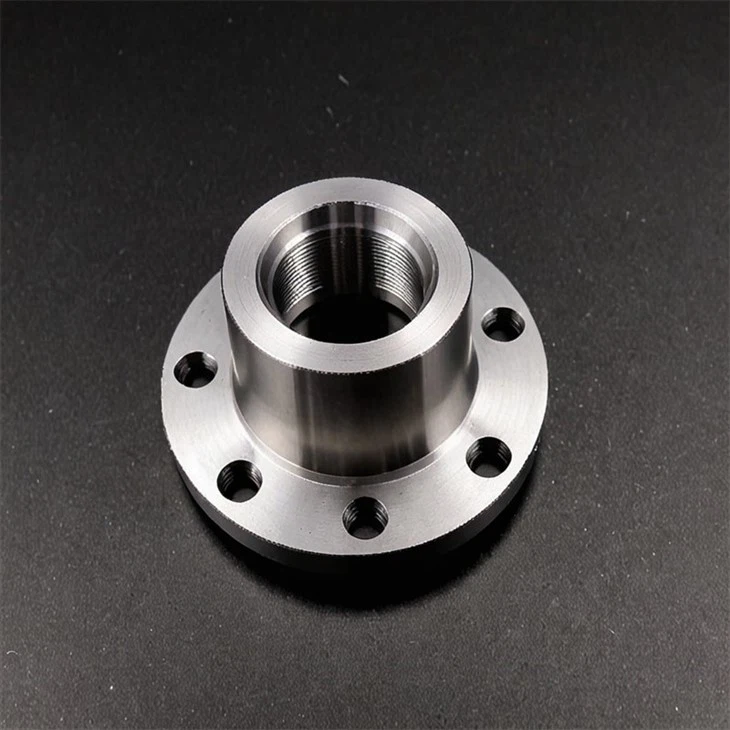
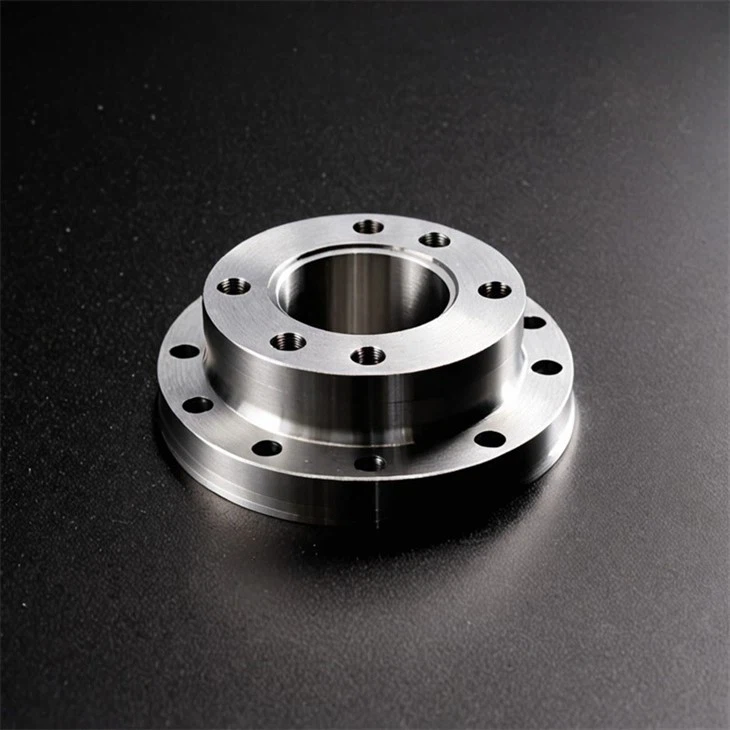
However, dry cutting has its limitations. The lack of cutting fluid means there's less lubrication and cooling during the cutting process. This can lead to higher temperatures at the cutting edge, which can cause the tool to wear out faster. The increased heat can also affect the quality of the machined surface, potentially causing thermal damage to the workpiece. For example, in some cases, it can lead to hardening of the surface layer, which may affect the part's performance.
Wet Cutting in CNC Machining
Wet cutting, on the other hand, involves the use of cutting fluids. These fluids serve several important functions during the machining process.
First and foremost, cutting fluids act as a coolant. They absorb the heat generated during cutting, keeping the tool and the workpiece at a lower temperature. This helps to extend the tool's life by reducing wear and tear. It also improves the surface finish of the machined part, as it minimizes the risk of thermal damage.
Cutting fluids also provide lubrication. They reduce the friction between the tool and the workpiece, which makes the cutting process smoother. This can result in better dimensional accuracy of the machined part and less power consumption by the machine.
In addition, cutting fluids help to flush away the chips produced during cutting. This prevents the chips from clogging the cutting area, which can cause damage to the tool and the workpiece.
But wet cutting isn't all sunshine and rainbows. The use of cutting fluids adds to the cost of the machining process. You have to purchase the fluids, and you also need to invest in equipment for storing, filtering, and recycling them. There's also the issue of environmental impact. The disposal of used cutting fluids needs to be done carefully to comply with environmental regulations.
Comparing the Two
When it comes to choosing between dry cutting and wet cutting, it really depends on several factors.
For materials that are easy to machine, like some types of aluminum, dry cutting might be a viable option. It can save you money and keep the process simple. But if you're working with harder materials, such as stainless steel or titanium, wet cutting is often the better choice. The cooling and lubrication provided by the cutting fluids are crucial for maintaining tool life and achieving a high - quality surface finish.
The type of operation also matters. For example, in high - speed machining, the heat generated is much higher, so wet cutting is usually necessary to keep the temperature under control. On the other hand, for some light - duty operations, dry cutting might be sufficient.
Our Offerings
As a CNC Machinings supplier, we understand the importance of choosing the right cutting method for each project. We offer a wide range of Precision CNC Machining Parts that are manufactured using both dry and wet cutting techniques, depending on the requirements of the part. Whether you need a small - batch prototype or large - scale production, we've got you covered.
Our Metal CNC Machining services are top - notch. We use state - of - the - art CNC machines and high - quality tools to ensure the best results. And if you're looking for a CNC Machining Prototype, we can quickly turn your design into a physical part, allowing you to test and refine it before moving on to full - scale production.
Let's Talk
If you're in the market for CNC machined parts and you're not sure which cutting method is right for your project, don't hesitate to reach out. We're here to help you make the best decision based on your specific needs. Whether it's dry cutting or wet cutting, we have the expertise and the equipment to deliver high - quality parts on time and within budget.
References
- Boothroyd, G., Dewhurst, P., & Knight, W. (2011). Product Design for Manufacturing and Assembly. CRC Press.
- Kalpakjian, S., & Schmid, S. R. (2010). Manufacturing Engineering and Technology. Pearson.
Send Inquiry