


What is the difference between laser cutting and flame cutting?
Oct 17, 2025
Leave a message
When it comes to metal cutting processes, two widely used methods are laser cutting and flame cutting. As a laser cutting supplier, I often encounter customers who are confused about the differences between these two techniques. In this blog post, I'll delve into the characteristics, advantages, and limitations of both laser cutting and flame cutting to help you make an informed decision for your metal fabrication needs.
Working Principles
Let's start by understanding the fundamental working principles of laser cutting and flame cutting.
Laser Cutting
Laser cutting is a non - contact thermal cutting process. It uses a high - power laser beam, typically generated by a CO₂ laser or a fiber laser. The laser beam is focused onto the surface of the metal workpiece. The intense heat from the laser beam melts or vaporizes the metal at the point of contact. A high - pressure gas, such as oxygen, nitrogen, or compressed air, is then used to blow the molten or vaporized metal away from the cut kerf, creating a clean cut. The precision of the laser beam allows for highly accurate and intricate cuts. For more detailed information on our Laser Cutting Services, you can visit our website.
Flame Cutting
Flame cutting, also known as oxy - fuel cutting, is a thermal cutting process that uses the chemical reaction between oxygen and a fuel gas (such as acetylene, propane, or natural gas). The fuel gas is first ignited to pre - heat the metal to its ignition temperature (around 870 - 980°C for steel). Once the metal reaches this temperature, a high - pressure stream of pure oxygen is directed onto the pre - heated area. The oxygen reacts with the metal, causing it to burn and form iron oxide (rust). The iron oxide is then blown away by the force of the oxygen stream, creating a cut in the metal.
Cutting Quality
One of the most significant differences between laser cutting and flame cutting lies in the quality of the cuts they produce.
Laser Cutting
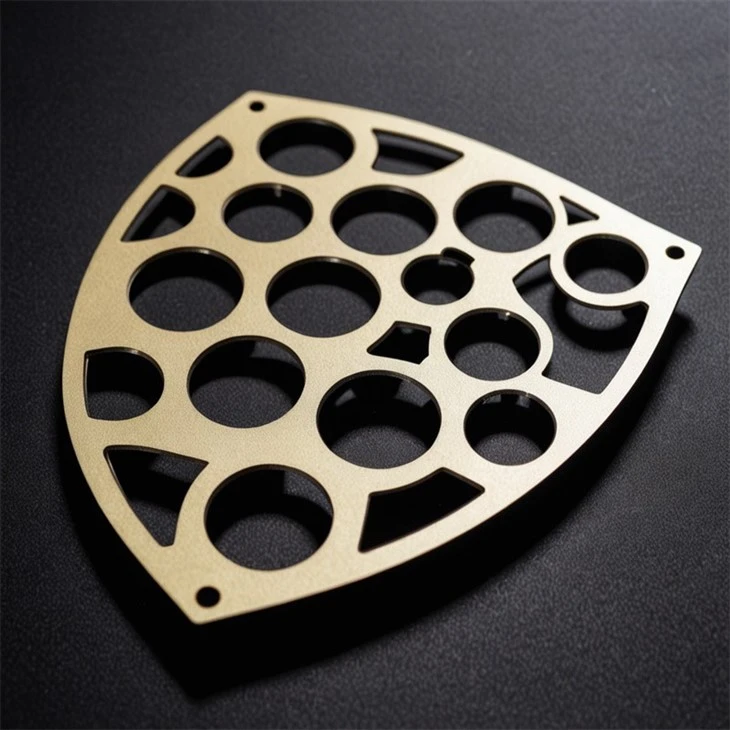
Laser cutting offers exceptional cutting quality. The focused laser beam creates a narrow cut kerf, typically between 0.1 - 0.3 mm. This results in minimal material waste. The edges of the cut are smooth and have a high degree of perpendicularity. There is very little heat - affected zone (HAZ) around the cut, which means that the mechanical properties of the surrounding metal are largely unaffected. Laser cutting can also achieve high levels of precision, making it suitable for cutting complex shapes and fine details.
Flame Cutting
Flame cutting, on the other hand, produces cuts with a wider kerf, usually around 1 - 3 mm. The edges of the cut may be slightly rough and may require additional finishing processes to achieve a smooth surface. The HAZ in flame cutting is relatively large, which can lead to changes in the metal's mechanical properties, such as hardness and brittleness. Flame cutting is less precise compared to laser cutting, especially when it comes to cutting intricate shapes.
Cutting Thickness
The maximum thickness of the metal that can be cut is another important factor to consider.
Laser Cutting
The cutting thickness capabilities of laser cutting depend on the power of the laser. Generally, fiber lasers can cut through thinner materials more efficiently. A typical industrial fiber laser with a power of 1 - 2 kW can cut through steel up to 6 - 8 mm thick. High - power fiber lasers (up to 10 kW or more) can cut steel up to 25 - 30 mm thick. However, as the thickness increases, the cutting speed decreases significantly.
Flame Cutting
Flame cutting is well - suited for cutting thick metals. It can cut through steel plates with thicknesses ranging from a few millimeters to several hundred millimeters. For example, in some industrial applications, flame cutting can be used to cut steel plates up to 600 mm thick. Flame cutting maintains a relatively consistent cutting speed even for very thick materials, making it a preferred choice for heavy - duty metal fabrication.
Cutting Speed
The cutting speed is an important consideration, especially in high - volume production environments.
Laser Cutting
Laser cutting is generally faster than flame cutting when it comes to cutting thin materials. The high - energy laser beam can quickly melt and vaporize the metal, allowing for rapid cutting. For example, when cutting a 1 - mm thick steel sheet, a laser cutter can achieve cutting speeds of several meters per minute. However, as mentioned earlier, the cutting speed decreases significantly as the thickness of the material increases.

Flame Cutting
Flame cutting has a slower cutting speed compared to laser cutting for thin materials. The pre - heating process and the relatively slower chemical reaction between oxygen and the metal contribute to the lower cutting speed. However, for thick materials, flame cutting can maintain a more consistent cutting speed. It is often used in applications where large - scale, thick - metal cutting is required, even though the overall cutting time may be longer compared to laser cutting thin materials.
Material Compatibility
Both laser cutting and flame cutting have different levels of compatibility with various materials.
Laser Cutting
Laser cutting can be used to cut a wide range of materials, including metals (such as steel, aluminum, copper, and brass), plastics, wood, and composites. However, some highly reflective materials (such as copper and aluminum) can be more challenging to cut with a laser because they reflect a significant portion of the laser energy. Special techniques and higher - power lasers may be required to cut these materials effectively.
Flame Cutting
Flame cutting is primarily used for cutting ferrous metals, such as carbon steel and low - alloy steel. This is because these metals have a relatively low melting point and can be easily ignited by the oxygen - fuel reaction. Non - ferrous metals, such as aluminum and copper, cannot be cut using flame cutting because they do not form an oxide layer that can be easily removed by the oxygen stream.
Cost Considerations
Cost is always a crucial factor in any manufacturing process.
Laser Cutting
The initial investment in a laser cutting machine is relatively high. Laser cutters require sophisticated optical systems, high - power lasers, and precise motion control systems, which contribute to their high cost. Additionally, the operating costs of laser cutting include the cost of electricity, laser gas (for CO₂ lasers), and maintenance of the laser system. However, in high - volume production, the cost per part can be relatively low due to the high cutting speed and minimal material waste.
Flame Cutting
Flame cutting equipment is generally less expensive to purchase compared to laser cutting machines. The fuel gas and oxygen used in flame cutting are relatively inexpensive. The maintenance requirements of flame cutting equipment are also lower. However, for thin - material cutting or applications that require high precision, the additional finishing processes and material waste associated with flame cutting can increase the overall cost per part.
Applications
Based on their characteristics, laser cutting and flame cutting are used in different applications.
Laser Cutting
Laser cutting is widely used in industries such as electronics, automotive, aerospace, and jewelry making. In the electronics industry, it is used to cut printed circuit boards (PCBs) and thin metal components with high precision. In the automotive and aerospace industries, laser cutting is used to manufacture complex parts with tight tolerances. Our Bead Spraying Equipment is often used in conjunction with laser cutting for surface treatment in these industries.
Flame Cutting
Flame cutting is commonly used in heavy - duty metal fabrication, such as shipbuilding, bridge construction, and large - scale steel structures. It is also used in the scrap metal recycling industry to cut large pieces of scrap steel into manageable sizes.
Environmental Impact
In today's environmentally conscious world, the environmental impact of manufacturing processes is an important consideration.
Laser Cutting
Laser cutting is a relatively clean process. It produces very little waste in the form of slag or fumes compared to flame cutting. The energy consumption of laser cutting can be relatively high, but modern laser cutting machines are becoming more energy - efficient.
Flame Cutting
Flame cutting produces a significant amount of fumes and particulate matter, mainly from the burning of the metal and the fuel gas. These fumes can be harmful to the environment and human health if not properly ventilated. Additionally, the use of fuel gases contributes to greenhouse gas emissions.
In conclusion, both laser cutting and flame cutting have their own unique advantages and limitations. Laser cutting is ideal for applications that require high precision, excellent cutting quality, and the ability to cut a wide range of materials, especially thin materials. Flame cutting, on the other hand, is better suited for cutting thick ferrous metals in heavy - duty applications where high precision is not the primary concern.
If you are in need of high - quality laser cutting services for your metal fabrication projects, I encourage you to reach out to us. Our team of experts can help you determine the best cutting solution for your specific requirements. Whether you need to cut complex shapes in thin materials or large - scale thick - metal components, we have the expertise and equipment to meet your needs. Contact us today to discuss your project and explore how our laser cutting services can benefit your business.
References
- ASM Handbook Volume 6: Welding, Brazing, and Soldering. ASM International.
- Kalpakjian, S., & Schmid, S. R. (2010). Manufacturing Engineering and Technology. Pearson.
- O'Brien, W. P. (2005). Oxy - Fuel Cutting Handbook. Linde Gas.
Send Inquiry