


What is the edge quality of laser cutting?
Sep 11, 2025
Leave a message
Hey there! As a laser cutting supplier, I often get asked about the edge quality of laser cutting. It's a crucial aspect that can make or break a project, so I'm here to break it down for you.
First off, what exactly do we mean by edge quality in laser cutting? Well, it refers to how the edges of the cut material look and perform. When you cut a piece of metal, plastic, or any other material with a laser, the quality of that cut edge can vary significantly. Good edge quality means a smooth, clean cut with minimal defects, while poor edge quality can result in rough edges, burrs, or even discoloration.
One of the key factors that affect edge quality is the type of laser being used. There are different types of lasers, such as CO2 lasers and fiber lasers, each with its own characteristics. CO2 lasers are great for cutting non - metallic materials like wood, acrylic, and some plastics. They tend to produce a relatively smooth edge, but the cutting speed might be a bit slower compared to fiber lasers. On the other hand, fiber lasers are more commonly used for cutting metals. They offer high - speed cutting and can achieve very good edge quality, especially on thin to medium - thickness metals.
Another important factor is the power of the laser. Higher laser power generally allows for faster cutting, but it also needs to be carefully balanced. If the power is too high, it can cause excessive melting and result in a rough edge. For example, when cutting a thin sheet of stainless steel, using a laser with extremely high power might cause the metal to overheat and create a jagged edge. On the contrary, if the power is too low, the laser might not fully penetrate the material, leading to an incomplete cut or a ragged edge.
The speed of the laser cutting process also plays a big role. Cutting too fast can lead to an uneven edge, as the laser might not have enough time to fully vaporize or melt the material. This can result in a series of small, uncut areas along the edge, making it look rough. Conversely, cutting too slowly can cause the material to overheat, leading to discoloration and a less - than - perfect edge. It's all about finding that sweet spot where the cutting speed is just right for the material and the laser power.
The gas used in the laser cutting process is yet another factor. In most cases, oxygen or nitrogen is used. Oxygen is often used when cutting carbon steel because it reacts with the metal, helping to increase the cutting speed. However, this reaction can also cause oxidation, which might lead to a slightly rougher edge. Nitrogen, on the other hand, is used for materials like stainless steel and aluminum. It helps to prevent oxidation and can result in a cleaner, more precise edge.
Now, let's talk about some common edge quality issues and how to deal with them. One of the most common problems is burrs. Burrs are small, rough projections on the cut edge, which can be caused by factors like incorrect laser power, speed, or gas flow. To reduce burrs, you can adjust the cutting parameters. For instance, increasing the gas pressure slightly might help to blow away the molten material more effectively, reducing the formation of burrs.
Another issue is dross. Dross is the molten material that solidifies on the bottom of the cut. It can make the edge look messy and can also affect the fit and function of the cut part. To prevent dross, you can optimize the cutting speed and power. Sometimes, using a different type of gas or adjusting the gas flow rate can also help.
So, why is edge quality so important? Well, for one thing, it affects the aesthetics of the finished product. If you're making a piece of jewelry or a decorative item, a smooth, clean edge is essential for a professional look. In addition, edge quality can also impact the functionality of the part. For example, in a mechanical assembly, a rough edge might cause friction or prevent proper fitting.
At our company, we understand the importance of edge quality, and we've invested in state - of - the - art laser cutting equipment to ensure the best results. We also have a team of experienced technicians who are constantly monitoring and adjusting the cutting parameters to achieve the highest possible edge quality.
If you're in the market for Bead Spraying Equipment, it can play a role in further enhancing the edge quality of your laser - cut parts. Bead spraying can help to remove any remaining burrs or rough spots, giving the edges an even smoother finish.
And of course, we offer Laser Cutting Services that are tailored to your specific needs. Whether you need a few prototype parts or a large - scale production run, we've got you covered.
If you're interested in our laser cutting services or have any questions about edge quality, don't hesitate to reach out. We're always happy to have a chat and see how we can help you achieve the best results for your project.
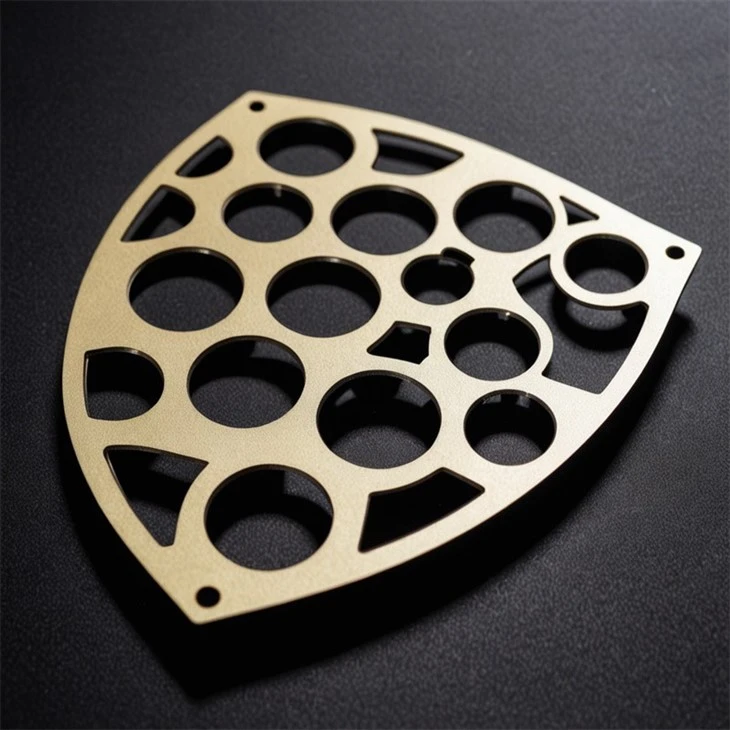

In conclusion, edge quality in laser cutting is a complex but important aspect that depends on multiple factors. By understanding these factors and taking the right steps to optimize them, you can ensure that your laser - cut parts have the best possible edge quality. So, if you're looking for high - quality laser cutting, give us a call or send us an email, and let's start working on your project together.
References:
- Laser Cutting Handbook: A Comprehensive Guide to Laser Cutting Technology
- Journal of Laser Applications in Manufacturing
- Technical Papers on Advanced Laser Cutting Processes
Send Inquiry