


What is the impact of tool wear on cnc millings?
Sep 19, 2025
Leave a message
Tool wear is an inevitable phenomenon in the field of CNC millings, which can significantly influence the quality, efficiency, and cost of the machining process. As a supplier of CNC Millings, I have witnessed firsthand the multifaceted impacts of tool wear on CNC millings. In this blog, I will delve into the various aspects of how tool wear affects CNC millings and discuss strategies to mitigate these impacts.
Surface Finish and Dimensional Accuracy
One of the most noticeable impacts of tool wear on CNC millings is on the surface finish and dimensional accuracy of the machined parts. As the cutting tool wears, its cutting edges become dull, leading to increased friction and heat generation during the machining process. This can cause the material to deform plastically, resulting in a rougher surface finish. The dull cutting edges may also produce burrs and uneven surfaces, which can affect the functionality and aesthetics of the final product.

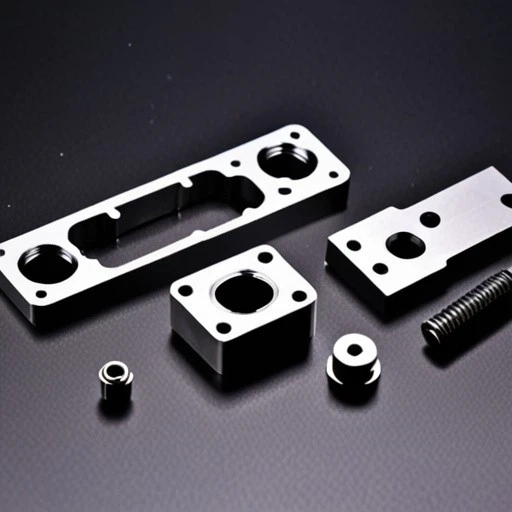
Moreover, tool wear can lead to dimensional inaccuracies in the machined parts. As the tool wears, its geometry changes, which can cause variations in the cutting depth and width. This can result in parts that are out of tolerance, leading to rejection and rework. In high-precision machining applications, even minor dimensional errors can have a significant impact on the performance of the final product.
Machining Efficiency and Productivity
Tool wear can also have a substantial impact on the machining efficiency and productivity of CNC millings. As the cutting tool wears, its cutting ability decreases, requiring higher cutting forces to remove the material. This can lead to increased power consumption, longer machining times, and reduced productivity. In some cases, the increased cutting forces can also cause vibrations and chatter, which can further degrade the surface finish and dimensional accuracy of the machined parts.
Additionally, tool wear can necessitate more frequent tool changes, which can result in downtime and reduced productivity. The time required to change the tool, set up the machine, and perform quality inspections can add up quickly, especially in high-volume production environments. Moreover, the cost of replacing worn tools can be significant, particularly for high-performance cutting tools made from advanced materials.
Tool Life and Cost
The life of a cutting tool is a critical factor in the cost-effectiveness of CNC millings. Tool wear directly affects the tool life, as the cutting tool becomes less effective and eventually fails as it wears. The rate of tool wear depends on several factors, including the cutting conditions (such as cutting speed, feed rate, and depth of cut), the workpiece material, the tool material, and the tool geometry.
When the tool wear rate is high, the tool life is short, requiring more frequent tool changes. This not only increases the cost of tool replacement but also adds to the overall machining cost due to the downtime associated with tool changes. On the other hand, if the tool wear rate is low, the tool life is long, resulting in lower tooling costs and higher productivity. Therefore, optimizing the cutting conditions and selecting the appropriate cutting tools are essential for maximizing the tool life and reducing the overall machining cost.
Strategies to Mitigate the Impact of Tool Wear
To minimize the impact of tool wear on CNC millings, several strategies can be employed. These include:
- Optimizing Cutting Conditions: By adjusting the cutting speed, feed rate, and depth of cut, the cutting forces and heat generation can be reduced, thereby slowing down the tool wear rate. However, it is important to find the right balance between cutting efficiency and tool life, as overly conservative cutting conditions can result in reduced productivity.
- Selecting the Right Cutting Tools: Choosing the appropriate cutting tools for the specific machining application is crucial for minimizing tool wear. Factors such as the workpiece material, the machining operation, and the required surface finish and dimensional accuracy should be considered when selecting the cutting tools. High-performance cutting tools made from advanced materials, such as carbide and ceramics, can offer better wear resistance and longer tool life.
- Implementing Tool Monitoring and Management Systems: Tool monitoring systems can be used to detect the onset of tool wear and predict the remaining tool life. This allows for proactive tool changes, reducing the risk of tool failure and minimizing the impact on the machining process. Additionally, tool management systems can help optimize the tool inventory, reduce tooling costs, and improve the overall efficiency of the machining operation.
- Maintaining the Machine and Cutting Tools: Regular maintenance of the CNC milling machine and the cutting tools is essential for ensuring optimal performance and minimizing tool wear. This includes cleaning the machine, lubricating the moving parts, and inspecting the cutting tools for signs of wear and damage. Proper storage and handling of the cutting tools can also help extend their life.
Conclusion
Tool wear is a complex and challenging issue in CNC millings that can have a significant impact on the quality, efficiency, and cost of the machining process. As a supplier of CNC Millings, I understand the importance of addressing this issue to ensure the satisfaction of our customers. By understanding the various impacts of tool wear and implementing appropriate strategies to mitigate these impacts, manufacturers can improve the performance of their CNC millings and achieve better results.
If you are interested in learning more about our CNC Millings or the CNC Milling Process, or if you have any questions or concerns about tool wear and its impact on your machining operations, please feel free to contact us. We are committed to providing our customers with high-quality products and solutions that meet their specific needs.
References
- Boothroyd, G., & Knight, W. A. (2006). Fundamentals of machining and machine tools. CRC Press.
- Kalpakjian, S., & Schmid, S. R. (2013). Manufacturing engineering and technology. Pearson.
- Trent, E. M., & Wright, P. K. (2000). Metal cutting. Butterworth-Heinemann.
Send Inquiry