


What is the role of quality control in die casting?
Aug 04, 2025
Leave a message
In the dynamic and competitive world of manufacturing, die casting stands out as a highly efficient and versatile process for producing complex metal parts with high precision. As a die casting supplier, I've witnessed firsthand the transformative power of this manufacturing technique. However, to ensure that the end products meet the highest standards of quality, precision, and performance, quality control plays an indispensable role.
Understanding Die Casting
Before delving into the role of quality control, it's essential to understand the die casting process. Die casting involves forcing molten metal under high pressure into a steel mold, known as a die. This process is used to create a wide range of products, from automotive components and electronic housings to consumer goods and industrial machinery parts. The two most common metals used in die casting are zinc and aluminum, each offering unique properties and advantages. For more information on these processes, you can visit our Zinc Die Casting Services and Aluminum Die Casting Services pages.
The Importance of Quality Control in Die Casting
Quality control is the cornerstone of any successful die casting operation. It encompasses a series of measures and procedures designed to monitor, evaluate, and improve the quality of the die-cast parts throughout the manufacturing process. Here are some key reasons why quality control is crucial in die casting:
Ensuring Product Consistency
One of the primary goals of quality control in die casting is to ensure that every part produced meets the same high standards of quality and performance. By implementing strict quality control measures, we can minimize variations in the dimensions, surface finish, and mechanical properties of the die-cast parts. This consistency is essential for ensuring that the parts fit together correctly and function as intended in the final product.
Meeting Customer Requirements
In today's competitive market, customers have high expectations when it comes to the quality of the products they purchase. Quality control helps us meet these expectations by ensuring that our die-cast parts meet or exceed the customer's specifications. This includes factors such as dimensional accuracy, surface finish, material properties, and functional performance. By delivering high-quality parts consistently, we can build trust and long-term relationships with our customers.
Reducing Waste and Costs
Quality control also plays a crucial role in reducing waste and costs in the die casting process. By detecting and correcting defects early in the manufacturing process, we can avoid producing defective parts that would otherwise need to be scrapped or reworked. This not only saves on material costs but also reduces the time and labor required to produce the parts. Additionally, by improving the overall quality of the parts, we can reduce the likelihood of customer returns and warranty claims, which can have a significant impact on our bottom line.
Ensuring Safety and Compliance
In many industries, such as automotive, aerospace, and medical, the safety and reliability of the products are of utmost importance. Quality control helps us ensure that our die-cast parts meet the strict safety and regulatory requirements of these industries. This includes factors such as material composition, mechanical properties, and surface finish. By adhering to these standards, we can ensure that our products are safe for use and comply with all applicable regulations.
Quality Control Measures in Die Casting
To achieve the highest levels of quality in die casting, we implement a comprehensive quality control system that encompasses every stage of the manufacturing process. Here are some of the key quality control measures we use:
Raw Material Inspection
The quality of the raw materials used in die casting has a significant impact on the quality of the final product. Therefore, we start by inspecting all incoming raw materials, including metals, alloys, and lubricants, to ensure that they meet our strict quality standards. This includes testing the chemical composition, physical properties, and purity of the materials.
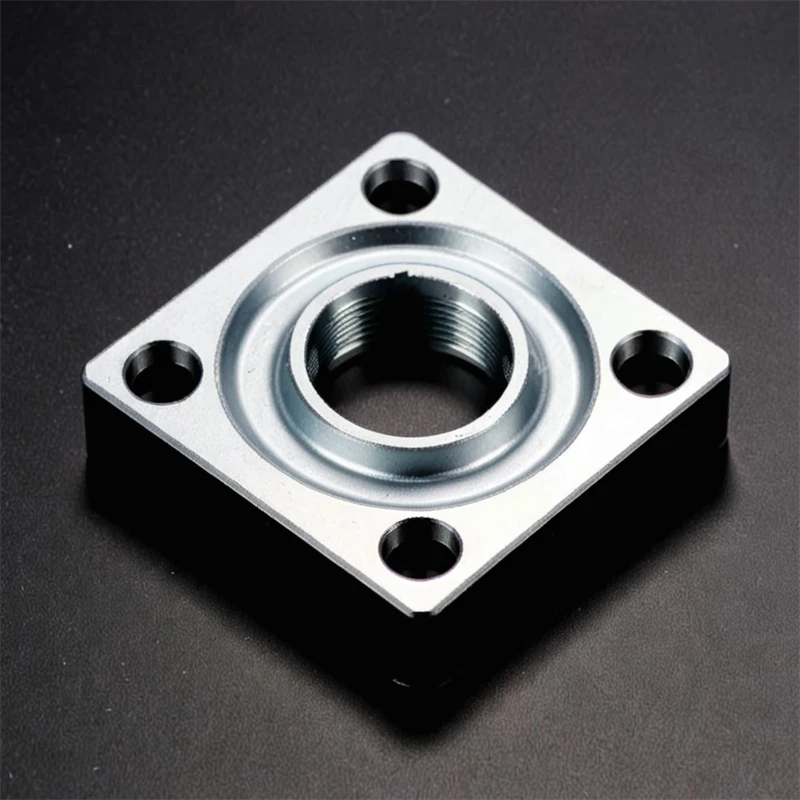

Die Design and Manufacturing
The design and manufacturing of the die are critical factors in determining the quality of the die-cast parts. We use advanced computer-aided design (CAD) and computer-aided manufacturing (CAM) technologies to design and manufacture dies that are optimized for the specific requirements of each part. This includes factors such as part geometry, wall thickness, draft angles, and gate location. Additionally, we conduct thorough inspections of the dies before they are used in production to ensure that they are free from defects and meet the required specifications.
Process Monitoring
During the die casting process, we use a variety of sensors and monitoring systems to track and control key process parameters, such as temperature, pressure, and injection speed. This allows us to detect and correct any deviations from the optimal process conditions in real-time, ensuring that the parts are produced with consistent quality. Additionally, we use statistical process control (SPC) techniques to analyze the data collected from the monitoring systems and identify any trends or patterns that may indicate potential quality issues.
Final Inspection
Once the die-cast parts are produced, we conduct a final inspection to ensure that they meet the required quality standards. This includes visual inspection, dimensional measurement, and various non-destructive testing (NDT) techniques, such as X-ray inspection, ultrasonic testing, and magnetic particle inspection. We also perform functional testing on the parts to ensure that they meet the specific requirements of the customer.
Continuous Improvement
Quality control is not a one-time event but an ongoing process of continuous improvement. At our company, we are committed to continuously improving our quality control processes and procedures to ensure that we are delivering the highest quality die-cast parts to our customers. This includes investing in the latest technologies and equipment, training our employees on the latest quality control techniques, and soliciting feedback from our customers to identify areas for improvement.
The Role of High-Pressure Die Casting in Quality Control
High-pressure die casting is a specialized form of die casting that uses high pressure to force the molten metal into the die cavity. This process offers several advantages over other die casting methods, including higher productivity, better dimensional accuracy, and improved surface finish. However, it also requires a higher level of quality control to ensure that the parts are produced with consistent quality. For more information on our High Pressure Die Casting Services, please visit our website.
Conclusion
In conclusion, quality control plays a vital role in the die casting process. It ensures that the die-cast parts meet the highest standards of quality, precision, and performance, while also reducing waste and costs. By implementing a comprehensive quality control system that encompasses every stage of the manufacturing process, we can deliver high-quality parts consistently and build long-term relationships with our customers.
If you are in need of high-quality die-cast parts, we invite you to contact us to discuss your specific requirements. Our team of experienced engineers and technicians will work closely with you to develop a customized solution that meets your needs and exceeds your expectations.
References
- ASM Handbook, Volume 15: Casting. ASM International.
- Die Casting Handbook: A Practical Guide to Die Casting. American Die Casting Institute.
- Quality Control in Manufacturing Processes. Pearson Education.
Send Inquiry