


What is the role of the automatic tool changer in cnc millings?
Jul 02, 2025
Leave a message
Hey there! As a supplier of CNC Millings, I've had my fair share of experiences with these amazing machines. One crucial component that plays a significant role in the efficiency and effectiveness of CNC millings is the automatic tool changer. In this blog, I'll dive into what the role of the automatic tool changer is in CNC millings and why it's such a game - changer.
What's an Automatic Tool Changer?
First things first, let's understand what an automatic tool changer (ATC) is. In simple terms, it's a device that allows a CNC milling machine to automatically swap out cutting tools during the machining process. Instead of having an operator manually change tools, which can be time - consuming and prone to errors, the ATC does it all on its own.
Speeding Up the CNC Milling Process
One of the most obvious roles of the ATC is to speed up the overall CNC Milling Process. In a traditional milling setup, if you need to use different tools for various operations like drilling, end - milling, or tapping, an operator has to stop the machine, remove the current tool, and install the new one. This can take several minutes, especially if the tools are complex or need to be precisely aligned.
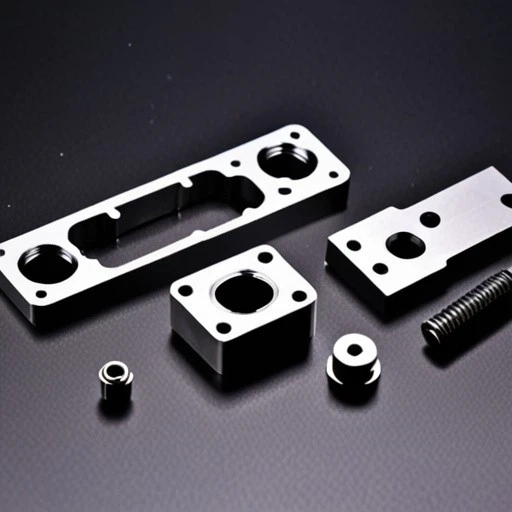

With an ATC, the tool change can happen in a matter of seconds. The machine's control system knows exactly which tool is needed for the next operation and quickly retrieves it from the tool magazine. This means that the machine can keep running continuously, reducing downtime and increasing the overall productivity of the milling process.
Precision and Consistency
Another key role of the automatic tool changer is to ensure precision and consistency in the machining process. When an operator manually changes tools, there's always a risk of misalignment or incorrect installation. Even a small misalignment can lead to poor surface finishes, inaccurate dimensions, and even damage to the workpiece.
The ATC, on the other hand, is designed to pick up and install tools with high precision. It uses sensors and mechanical systems to ensure that each tool is properly seated and aligned in the spindle. This results in consistent part quality, as every tool change is carried out in the same accurate manner. Whether you're producing one part or a large batch, you can expect the same level of precision throughout the production run.
Complex Machining Operations
CNC millings are often used for complex machining operations that require multiple tools. For example, creating a part with intricate contours, deep holes, and different surface finishes may need a combination of end mills, drills, ball - nose mills, and reamers. Without an ATC, performing these operations would be extremely challenging and time - consuming.
The automatic tool changer makes it possible to carry out these complex operations seamlessly. The machine can switch between different tools as needed, following a pre - programmed sequence. This allows for the creation of highly complex parts in a single setup, reducing the need for multiple machines or manual intervention.
Flexibility in Production
In today's manufacturing environment, flexibility is key. Customers often demand a variety of products with different specifications, and manufacturers need to be able to adapt quickly. The ATC in CNC millings provides this flexibility.
If you need to switch production from one part to another, the machine can easily change the tools required for the new part. You don't have to spend hours reconfiguring the machine or training operators to change tools manually. This makes it easier for manufacturers to respond to changing market demands and take on different types of jobs.
Cost - Efficiency
From a cost perspective, the automatic tool changer can lead to significant savings. While the initial investment in an ATC - equipped CNC milling machine may be higher, the long - term benefits outweigh the costs.
As mentioned earlier, the ATC reduces downtime, which means more parts can be produced in less time. This increases the overall output of the machine, allowing you to take on more orders and generate more revenue. Additionally, the improved precision and consistency mean fewer defective parts, which reduces waste and the cost of rework.
Maintaining the Automatic Tool Changer
Of course, to keep the ATC functioning properly, it needs regular maintenance. This includes cleaning the tool magazine, lubricating moving parts, and checking the sensors for accuracy. Regular maintenance ensures that the tool changer operates smoothly and reduces the risk of breakdowns.
Conclusion
In conclusion, the automatic tool changer plays a vital role in CNC millings. It speeds up the CNC Milling Process, ensures precision and consistency, enables complex machining operations, provides flexibility in production, and is cost - efficient in the long run.
If you're in the market for a CNC milling machine and are looking to boost your productivity and part quality, consider a machine with an automatic tool changer. We, as a CNC Millings supplier, have a range of machines equipped with high - quality ATCs that can meet your specific needs. If you're interested in learning more or discussing a potential purchase, feel free to reach out and start a conversation about how we can help you take your manufacturing to the next level.
References
- "CNC Machining Handbook"
- Industry whitepapers on CNC milling technology
Send Inquiry