


What is the role of wire tension in wire EDM services?
Jul 11, 2025
Leave a message
Wire Electrical Discharge Machining (Wire EDM) is a highly precise manufacturing process that has revolutionized the way we create complex parts and components. As a leading provider of Wire EDM Services, I've witnessed firsthand the critical role that wire tension plays in the success of this process. In this blog post, I'll delve into the significance of wire tension in Wire EDM services, exploring its impact on cutting accuracy, surface finish, and overall efficiency.
Understanding Wire EDM
Before we dive into the role of wire tension, let's briefly review how Wire EDM works. In this process, a thin, electrically charged wire is used to cut through a conductive workpiece. The wire is continuously fed through the workpiece, and a series of electrical discharges occur between the wire and the workpiece, eroding the material and creating the desired shape. The cutting path is controlled by a computer numerical control (CNC) system, which ensures high precision and repeatability.
The Importance of Wire Tension
Wire tension is a crucial parameter in Wire EDM services, as it directly affects the performance and quality of the cutting process. Here are some key ways in which wire tension impacts Wire EDM:
1. Cutting Accuracy
Maintaining consistent wire tension is essential for achieving accurate cuts. When the wire is under the correct tension, it remains straight and stable during the cutting process, allowing for precise control of the cutting path. If the wire tension is too low, the wire may sag or deflect, leading to deviations in the cutting path and reduced accuracy. On the other hand, if the wire tension is too high, it can cause the wire to break or wear out prematurely, also affecting the cutting accuracy.
2. Surface Finish
Wire tension also plays a significant role in determining the surface finish of the cut workpiece. A properly tensioned wire can produce a smooth and uniform surface finish, free from burrs and roughness. When the wire tension is inconsistent or too low, the wire may vibrate or chatter during the cutting process, resulting in a rough surface finish. Additionally, excessive wire tension can cause the wire to dig into the workpiece, leaving behind unwanted marks or grooves.
3. Wire Wear and Breakage
Another important aspect of wire tension is its impact on wire wear and breakage. Maintaining the correct wire tension helps to minimize wire wear, as it reduces the friction between the wire and the workpiece. When the wire tension is too low, the wire may rub against the workpiece, causing excessive wear and increasing the risk of breakage. Conversely, if the wire tension is too high, it can put excessive stress on the wire, leading to premature breakage. By optimizing the wire tension, we can extend the lifespan of the wire and reduce the frequency of wire changes, improving the overall efficiency of the Wire EDM process.
4. Cutting Speed
Wire tension can also affect the cutting speed in Wire EDM services. A properly tensioned wire allows for higher cutting speeds, as it can withstand the forces generated during the cutting process without deflecting or breaking. When the wire tension is too low, the cutting speed may need to be reduced to prevent wire breakage and ensure accurate cuts. On the other hand, if the wire tension is too high, it can cause the wire to break at higher cutting speeds, limiting the productivity of the process.
Factors Affecting Wire Tension
Several factors can influence the optimal wire tension in Wire EDM services. These include:
1. Wire Diameter
The diameter of the wire is one of the primary factors that determine the appropriate wire tension. Thicker wires generally require higher tension to maintain stability during the cutting process, while thinner wires can operate at lower tensions. It's important to select the correct wire diameter for the specific application and adjust the wire tension accordingly.
2. Workpiece Material
The type of workpiece material also affects the wire tension requirements. Harder materials, such as stainless steel and titanium, require higher wire tension to cut through effectively. Softer materials, on the other hand, may require lower wire tension to prevent wire breakage and achieve a smooth surface finish.
3. Cutting Conditions
The cutting conditions, such as the cutting speed, feed rate, and pulse parameters, can also impact the wire tension. Higher cutting speeds and feed rates generally require higher wire tension to maintain stability. Additionally, the pulse parameters, such as the pulse duration and frequency, can affect the forces acting on the wire, which may require adjustments to the wire tension.
4. Machine Settings
The settings of the Wire EDM machine, such as the wire feed system and the tension control mechanism, can also influence the wire tension. It's important to ensure that the machine is properly calibrated and adjusted to maintain the desired wire tension throughout the cutting process.

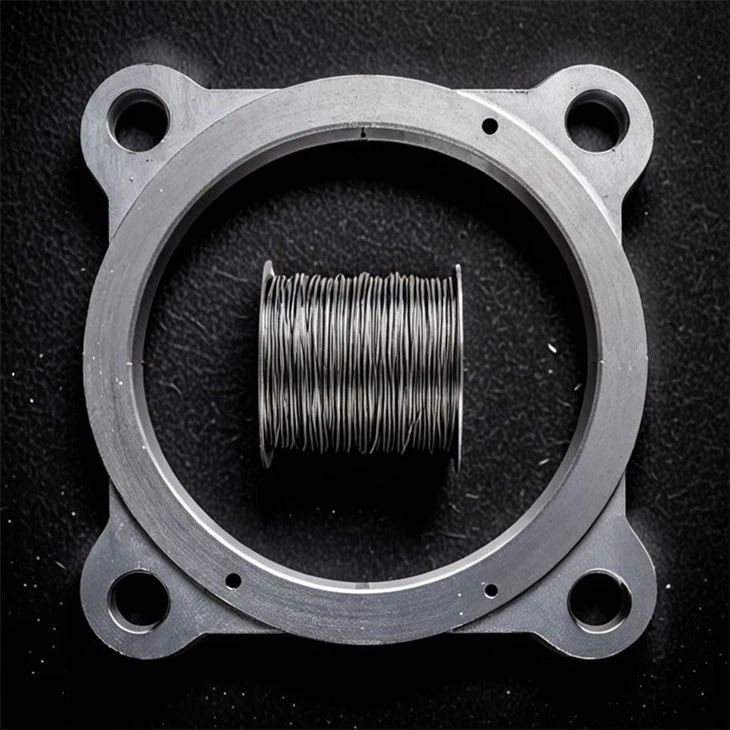
Optimizing Wire Tension in Wire EDM Services
To achieve the best results in Wire EDM services, it's essential to optimize the wire tension based on the specific application and cutting conditions. Here are some tips for optimizing wire tension:
1. Consult the Machine Manual
The first step in optimizing wire tension is to consult the machine manual for the recommended tension settings. The manual will provide guidelines based on the wire diameter, workpiece material, and cutting conditions. It's important to follow these recommendations as a starting point and make adjustments as needed.
2. Conduct Test Cuts
Once you have the recommended tension settings, it's a good idea to conduct test cuts on a sample workpiece. This will allow you to evaluate the cutting accuracy, surface finish, and wire wear under the specified conditions. Based on the results of the test cuts, you can make further adjustments to the wire tension to achieve the desired results.
3. Monitor the Wire Tension
During the cutting process, it's important to monitor the wire tension regularly to ensure that it remains within the optimal range. Most Wire EDM machines are equipped with a tension monitoring system that provides real-time feedback on the wire tension. If the wire tension deviates from the desired range, the machine can automatically adjust the tension to maintain stability.
4. Use High-Quality Wire
Using high-quality wire is also crucial for optimizing wire tension in Wire EDM services. High-quality wire is more consistent in diameter and material properties, which helps to maintain stable wire tension throughout the cutting process. Additionally, high-quality wire is less likely to break or wear out prematurely, reducing the need for frequent wire changes.
Conclusion
In conclusion, wire tension plays a critical role in Wire EDM services, affecting the cutting accuracy, surface finish, wire wear, and cutting speed. By understanding the importance of wire tension and optimizing it based on the specific application and cutting conditions, we can achieve high-quality cuts and improve the overall efficiency of the Wire EDM process.
As a leading provider of EDM Wire Cutting Services, we have extensive experience in optimizing wire tension to meet the unique needs of our customers. Our state-of-the-art Wire EDM machines are equipped with advanced tension control systems that ensure consistent and accurate wire tension throughout the cutting process. We also use high-quality wire from trusted suppliers to minimize wire wear and breakage, resulting in longer wire life and reduced downtime.
If you're looking for high-precision Wire EDM services, we invite you to contact us to discuss your project requirements. Our team of experts will work closely with you to understand your needs and provide customized solutions that meet your exact specifications. We're committed to delivering the highest quality products and services at competitive prices, and we look forward to the opportunity to serve you.
References
- "Wire Electrical Discharge Machining: Principles and Applications" by J. Paulo Davim
- "Handbook of Machining with Abrasives" by Y. C. Shin and J. A. McGeough
- "Advanced Machining Processes: Nontraditional and Hybrid Machining Processes" by P. K. Mishra and S. K. Panda
Send Inquiry