


What is the stiffness of cnc millings and its importance?
Oct 29, 2025
Leave a message
Hey there! As a supplier of CNC Millings, I've been in the thick of the CNC machining world for quite some time. Today, I wanna chat about something super important in the realm of CNC millings: stiffness.
So, what exactly is the stiffness of CNC millings? In simple terms, stiffness refers to the ability of a CNC milling machine to resist deformation under load. You know, when you're using a CNC milling machine to cut and shape materials, there's a whole lot of force involved. The cutting tool is pushing against the workpiece, and that creates a load on the machine. A stiff machine won't bend or flex much under this load, which is crucial for getting accurate and high - quality results.
Let's break it down a bit more. There are two main types of stiffness we need to consider: static stiffness and dynamic stiffness. Static stiffness is all about how the machine behaves when it's under a constant load. For example, if you're doing a simple, slow - speed milling operation, the static stiffness of the machine determines how much it'll deflect. A machine with high static stiffness will have very little deflection, meaning the cutting tool will stay right where it's supposed to be, and you'll get a precise cut.
On the other hand, dynamic stiffness comes into play when the machine is under a changing load. In a real - world CNC milling scenario, the load on the machine is constantly changing. The cutting tool might encounter different densities of material, or you might be doing a high - speed milling operation where the forces are fluctuating rapidly. Dynamic stiffness helps the machine maintain its stability and accuracy during these changing conditions.
Now, you might be wondering, why is stiffness so important in CNC millings? Well, let me tell you, it's a game - changer in several ways.
First off, stiffness directly impacts the accuracy of the machining process. When a machine has low stiffness, it'll deflect under load. This deflection means that the cutting tool won't follow the exact path that the CNC program has specified. As a result, the dimensions of the finished part might be off, and you won't get the precise shape and size that you need. In industries where precision is key, like aerospace or medical device manufacturing, even the slightest deviation can render a part useless. So, having a stiff CNC milling machine is essential for achieving the tight tolerances required in these applications.
Another important aspect is the surface finish of the machined part. A stiff machine can produce a smoother surface finish. When the machine is stable and doesn't deflect, the cutting tool can make clean, consistent cuts. On the contrary, a machine with low stiffness will cause the cutting tool to vibrate and chatter, leaving behind a rough surface on the workpiece. A good surface finish is not only important for the aesthetic appeal of the part but also for its functionality. For example, in a mechanical assembly, a smooth surface can reduce friction and wear, improving the overall performance and longevity of the components.
Stiffness also plays a role in the tool life. When a machine is not stiff enough, the cutting tool has to work harder. The vibrations and deflections can cause uneven wear on the tool, leading to premature tool failure. This means you'll have to replace the cutting tools more frequently, which can significantly increase your production costs. A stiff CNC milling machine reduces the stress on the cutting tool, allowing it to last longer and perform more efficiently.
In addition, stiffness affects the productivity of the machining process. A stiff machine can handle higher cutting speeds and feeds without sacrificing accuracy. When you can increase the cutting speed and feed rate, you can reduce the machining time, which means you can produce more parts in less time. This is especially important in high - volume production environments where time is money.
Let's talk a bit about how we, as a CNC Millings supplier, ensure the stiffness of our machines. We use high - quality materials in the construction of our CNC milling machines. For example, the machine base is often made of cast iron, which is known for its high stiffness and damping properties. Cast iron can absorb vibrations and resist deformation, providing a stable foundation for the machining process.
We also pay close attention to the design of the machine structure. Our engineers use advanced computer - aided design (CAD) and finite element analysis (FEA) techniques to optimize the machine's structure for maximum stiffness. They analyze how the machine will respond to different loads and make adjustments to the design to ensure that it can withstand the forces involved in the CNC Milling Process.
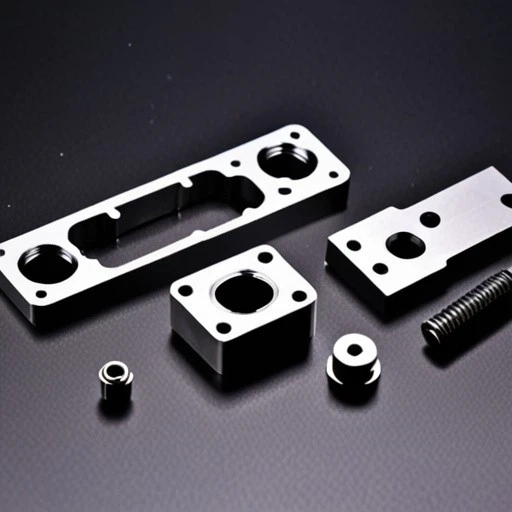

Moreover, we conduct rigorous testing on our machines to verify their stiffness. We use specialized equipment to measure the deflection of the machine under different loads and compare the results with our design specifications. If any issues are detected, we make the necessary improvements to ensure that our machines meet the highest standards of stiffness and performance.
So, if you're in the market for a CNC milling machine, stiffness should definitely be one of your top considerations. A stiff machine can offer you better accuracy, a smoother surface finish, longer tool life, and higher productivity. At our company, we're committed to providing you with the best CNC Millings that are designed with stiffness in mind.
If you're interested in learning more about our CNC milling machines or have any questions about stiffness and its importance in the machining process, don't hesitate to reach out. We'd love to have a chat with you and help you find the perfect machine for your needs. Whether you're a small - scale workshop or a large - scale manufacturing facility, we have the expertise and the products to support your production requirements. Let's start a conversation and see how we can work together to take your machining operations to the next level.
References
- "CNC Machining Handbook" - A comprehensive guide on CNC machining processes and machine design.
- Industry research reports on the performance and requirements of CNC milling machines.
Send Inquiry