


What skills are needed for a career in precision machining?
Jul 14, 2025
Leave a message
Hey there! As a supplier in the precision machining industry, I've seen firsthand what it takes to succeed in this field. Precision machining is all about creating high - quality parts with extremely tight tolerances, and it demands a unique set of skills. Let's dive into what those skills are.
Technical Skills
Mastery of CNC Machines
One of the most crucial skills in precision machining is having a solid understanding of Computer Numerical Control (CNC) machines. CNC machines have revolutionized the manufacturing world, and they're at the heart of precision machining. These machines use pre - programmed computer software to control the movement of tools and machinery, allowing for highly accurate and repeatable production.
As a precision machining supplier, I've seen how a good operator can make the most of a CNC machine. You need to know how to program the machine, set up the workpieces, and troubleshoot any issues that arise. If you're interested in learning more about CNC Precision Machining, you can check out this link: CNC Precision Machining.
Blueprint Reading
Blueprint reading is another fundamental skill. Blueprints are like the maps of the machining world. They contain all the information about the part you're going to machine, including dimensions, tolerances, and surface finishes. You need to be able to read these blueprints accurately to ensure that the final product meets the customer's specifications.
Even a small misinterpretation of a blueprint can lead to a defective part, which can be costly and time - consuming to correct. So, taking the time to learn how to read blueprints thoroughly is a must for anyone in precision machining.
Material Knowledge
Understanding different materials is essential. In precision machining, you'll work with a wide range of materials, from metals like aluminum, steel, and titanium to plastics and composites. Each material has its own properties, such as hardness, ductility, and machinability.
For example, machining aluminum is a lot different from machining titanium. Aluminum is softer and easier to cut, while titanium is harder and more heat - resistant. You need to know how to select the right cutting tools, speeds, and feeds for each material to achieve the best results.
Problem - Solving Skills
Troubleshooting
Things don't always go smoothly in precision machining. Machines can break down, tools can wear out, and parts can come out with defects. That's where troubleshooting skills come in handy. You need to be able to identify the root cause of a problem quickly and come up with a solution.
For instance, if a part isn't meeting the required tolerances, you need to figure out whether it's a problem with the machine settings, the cutting tools, or the material itself. Being able to troubleshoot effectively can save a lot of time and money in the long run.
Adaptability
The precision machining industry is constantly evolving. New technologies, materials, and customer requirements are emerging all the time. As a machinist, you need to be adaptable and willing to learn new things.
Maybe a customer comes to you with a unique design that requires a different machining process than you're used to. Or perhaps there's a new software update for your CNC machine that you need to master. Being adaptable allows you to stay competitive in the market.
Quality Control Skills
Inspection Skills
Quality control is a big part of precision machining. You need to be able to inspect the parts you've machined to ensure that they meet the required standards. This involves using various measuring tools, such as calipers, micrometers, and coordinate measuring machines (CMMs).
By regularly inspecting parts during the machining process, you can catch any potential issues early and make the necessary adjustments. This helps to ensure that the final product is of the highest quality.
Attention to Detail
In precision machining, the devil is in the details. Even the smallest error can make a part unusable. You need to have a high level of attention to detail to ensure that every aspect of the part is perfect.
Whether it's the surface finish, the dimensions, or the edges of the part, you need to pay close attention to every little thing. This attention to detail is what sets apart a good precision machinist from an average one.
Communication Skills
Customer Communication
As a precision machining supplier, communicating effectively with customers is key. You need to understand their requirements clearly, answer their questions, and provide them with updates on the progress of their orders.
Good communication helps to build trust with customers and ensures that you're delivering exactly what they need. For example, if a customer has a specific deadline or a unique design requirement, you need to be able to communicate how you're going to meet those needs.
Team Communication
If you're working in a machining shop, you'll also need to communicate well with your team members. This includes machinists, programmers, and quality control inspectors. You need to share information about the parts you're working on, any issues you're facing, and the progress of the job.
Effective team communication helps to keep the production process running smoothly and ensures that everyone is on the same page.
Project Management Skills
Time Management
In precision machining, time is money. You need to be able to manage your time effectively to meet customer deadlines. This involves creating a schedule for each project, estimating how long each machining operation will take, and making sure that you're staying on track.
For example, if you have a large order of custom parts, you need to break down the production process into smaller tasks and allocate the right amount of time for each task. By managing your time well, you can increase productivity and profitability.
Cost Management
Cost management is also important. You need to be able to estimate the cost of each project accurately, including the cost of materials, labor, and machine usage. By keeping costs under control, you can offer competitive prices to your customers while still making a profit.
This might involve finding ways to reduce waste, optimizing your machining processes, or negotiating better prices with your suppliers.
Continuous Learning Skills
The precision machining industry is always changing, so you need to be committed to continuous learning. This could involve taking courses, attending workshops, or reading industry publications.
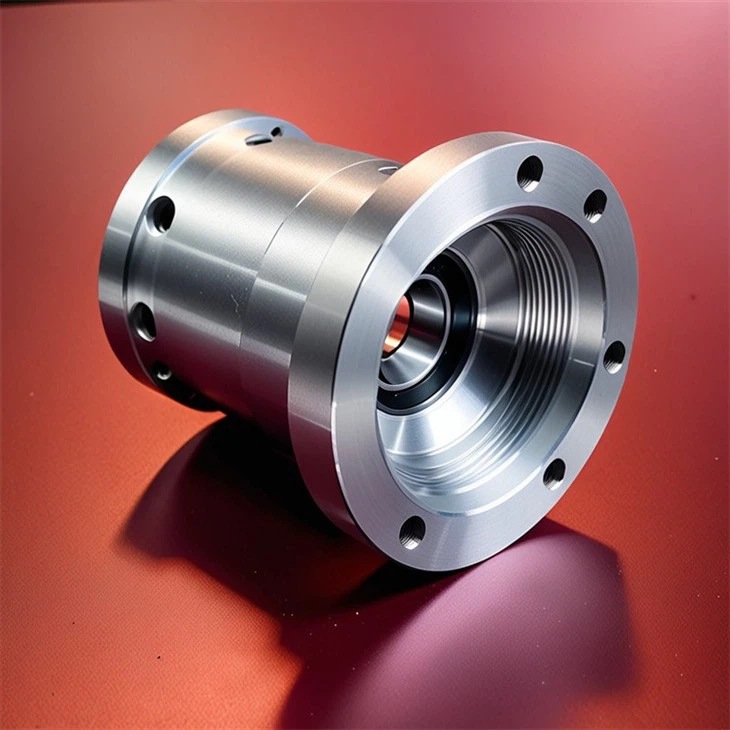
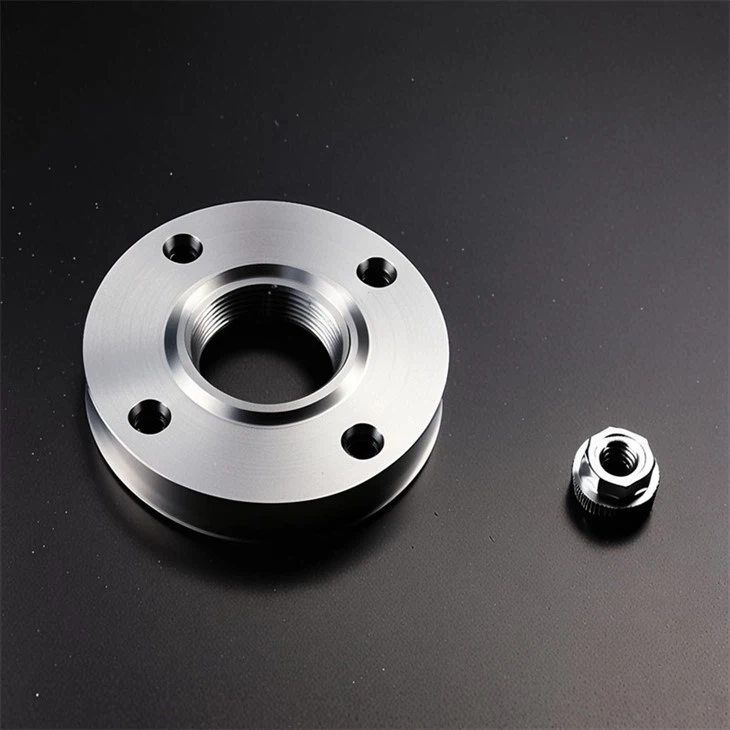
By staying up - to - date with the latest technologies and techniques, you can improve your skills and offer better services to your customers. For example, new advancements in Custom Precision Machining Parts might require you to learn new programming methods or use different cutting tools.
Conclusion
In conclusion, a career in precision machining requires a diverse set of skills. From technical skills like CNC operation and blueprint reading to soft skills like communication and project management, each skill plays a crucial role in your success.
If you're interested in the future of precision machining, you might want to check out The Revolution Of Precision Machining.
As a precision machining supplier, I'm always looking for partners and customers who understand the importance of these skills. If you're in the market for high - quality precision machining services, I'd love to have a chat with you. Whether you have a small custom project or a large - scale production order, we're here to help. Just reach out, and let's start a conversation about how we can meet your precision machining needs.
References
- Various industry publications on precision machining
- Personal experience as a precision machining supplier
Send Inquiry