


How to deal with vibration in precision machining?
Sep 15, 2025
Leave a message
Vibration is a common and troublesome issue in precision machining. As a professional precision machining supplier, I've encountered various vibration - related problems and have developed effective strategies to deal with them. In this blog, I'll share my insights and practical solutions on how to handle vibration in precision machining.
Understanding the Causes of Vibration in Precision Machining
Before we can effectively deal with vibration, it's crucial to understand its root causes. There are mainly three types of vibration in precision machining: free vibration, forced vibration, and self - excited vibration.
Free vibration usually occurs when the system is disturbed by an initial force and then vibrates freely without any further external excitation. For example, when a cutting tool suddenly hits a hard spot in the workpiece, it may cause a short - term free vibration.
Forced vibration is caused by external periodic forces. These forces can come from the rotation of the machine tool's spindle, unbalanced rotating parts, or the intermittent cutting action. For instance, if the spindle of a CNC machine has an imbalance due to manufacturing errors or wear, it will generate a periodic force that causes the machine and the workpiece to vibrate.
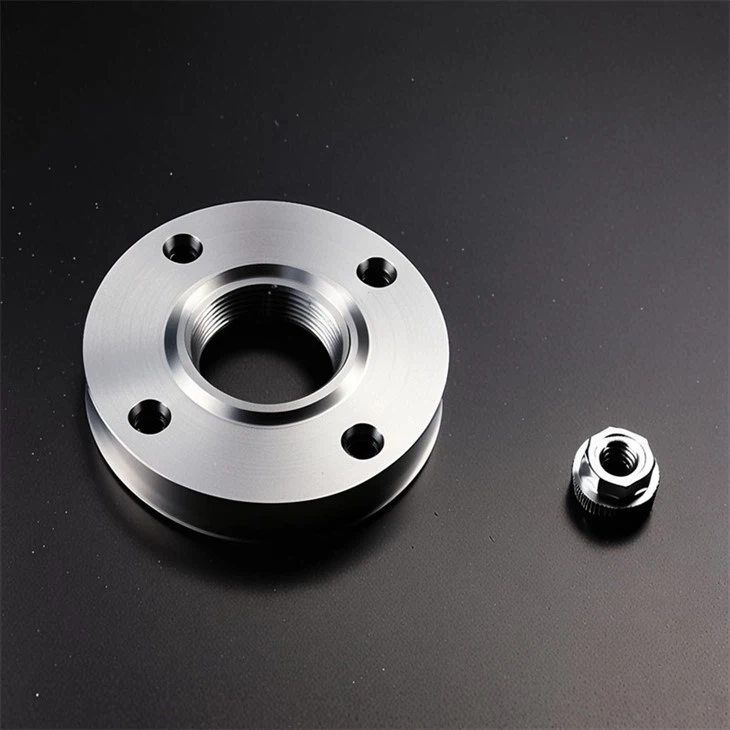

Self - excited vibration, also known as chatter, is the most difficult to control. It occurs when the cutting process itself generates a force that sustains the vibration. The interaction between the cutting tool and the workpiece can lead to a self - reinforcing vibration loop. For example, as the tool cuts into the workpiece, the cutting force may cause the tool to deflect. This deflection changes the cutting conditions, which in turn further affects the cutting force and amplifies the vibration.
Impact of Vibration on Precision Machining
Vibration can have a significant negative impact on precision machining. Firstly, it affects the surface quality of the machined parts. The vibration causes irregularities on the surface of the workpiece, resulting in poor surface finish. This can be a major problem for parts that require high - precision surfaces, such as optical components or medical devices.
Secondly, vibration reduces the dimensional accuracy of the machined parts. The constant movement caused by vibration can lead to deviations from the desired dimensions. This is especially critical in industries where tight tolerances are required, like aerospace and automotive manufacturing.
Moreover, vibration can also shorten the lifespan of the cutting tools. The high - frequency vibration increases the wear and tear on the cutting edges, leading to premature tool failure. This not only increases the cost of tool replacement but also disrupts the machining process.
Strategies to Deal with Vibration in Precision Machining
Machine Tool Maintenance and Optimization
- Balancing Rotating Components: Regularly check and balance the rotating parts of the machine tool, such as the spindle, chuck, and cutting tools. Imbalanced rotating components are a major source of forced vibration. By using dynamic balancing equipment, we can ensure that these parts rotate smoothly, reducing vibration.
- Lubrication and Alignment: Proper lubrication of the machine tool's moving parts is essential to reduce friction and vibration. In addition, ensure that all the components of the machine tool are correctly aligned. Misalignment can cause uneven forces and lead to vibration.
Cutting Parameters Selection
- Cutting Speed, Feed Rate, and Depth of Cut: Adjusting the cutting parameters can have a significant impact on vibration. In general, increasing the cutting speed can sometimes reduce chatter, but it also depends on the material being machined and the tool geometry. Reducing the feed rate and depth of cut can also help to reduce the cutting force and thus minimize vibration. However, these adjustments need to be carefully balanced to maintain an acceptable machining efficiency.
- Tool Geometry: Choosing the right tool geometry is crucial for reducing vibration. Tools with sharp cutting edges and appropriate rake and clearance angles can cut more smoothly, reducing the cutting force and vibration. For example, using a tool with a positive rake angle can reduce the cutting force and the tendency for chatter.
Workpiece Fixturing
- Proper Clamping: Ensuring that the workpiece is firmly clamped is essential to prevent vibration. A loose workpiece can move during the machining process, causing vibration. Use high - quality clamps and fixtures to hold the workpiece securely.
- Damping Materials: In some cases, using damping materials between the workpiece and the fixture can help to absorb vibration. These materials can reduce the transmission of vibration from the cutting process to the workpiece and the machine tool.
Monitoring and Feedback Systems
- Vibration Sensors: Install vibration sensors on the machine tool to monitor the vibration levels in real - time. These sensors can detect the onset of vibration and provide early warnings. By analyzing the vibration data, we can adjust the machining parameters or take other corrective actions before the vibration becomes severe.
- Adaptive Control Systems: Some advanced machine tools are equipped with adaptive control systems. These systems can automatically adjust the cutting parameters based on the real - time vibration data. For example, if the vibration level exceeds a certain threshold, the system can reduce the feed rate or cutting speed to reduce the vibration.
Case Studies
Let's take a look at a few case studies to illustrate how these strategies work in practice.
In a project for manufacturing aerospace components, we encountered severe chatter during the milling process. After analyzing the problem, we found that the main cause was the imbalance of the milling cutter. We used a dynamic balancing machine to balance the cutter, which significantly reduced the vibration. In addition, we adjusted the cutting parameters by reducing the feed rate and increasing the cutting speed. These changes not only eliminated the chatter but also improved the surface quality and dimensional accuracy of the machined parts.
In another project for producing medical device components, we used a vibration monitoring system to detect early signs of vibration. The system detected a slight increase in vibration during the turning process. By analyzing the data, we found that the problem was caused by a worn - out cutting insert. We replaced the insert immediately, preventing the vibration from getting worse and ensuring the quality of the machined parts.
Conclusion
Vibration is a complex problem in precision machining, but by understanding its causes, impacts, and implementing effective strategies, we can effectively control it. As a precision machining supplier, we are committed to providing high - quality custom precision machining parts. Our expertise in dealing with vibration, combined with advanced CNC Precision Machining technology, allows us to meet the strict requirements of various industries.
If you are looking for high - precision machining services, whether it's for Custom Precision Machining Parts or need to revolutionize your precision machining processes with The Revolution Of Precision Machining, we are here to help. Contact us to start a procurement discussion and let us work together to achieve your precision machining goals.
References
- Altintas, Y. (2000). Manufacturing Automation: Metal Cutting Mechanics, Machine Tool Vibrations, and CNC Design. Cambridge University Press.
- Boothroyd, G., & Knight, W. A. (2006). Fundamentals of Machining and Machine Tools. Marcel Dekker.
- Kalpakjian, S., & Schmid, S. R. (2010). Manufacturing Engineering and Technology. Pearson.
Send Inquiry