


What is the effect of tool wear on CNC machining?
Sep 15, 2025
Leave a message
In the world of manufacturing, CNC (Computer Numerical Control) machining stands as a cornerstone technology, offering unparalleled precision and efficiency in producing a wide range of components. As a dedicated supplier of [CNC Machinings], we've witnessed firsthand the transformative power of this technology in various industries. However, one critical factor that can significantly impact the quality and efficiency of CNC machining is tool wear. In this blog post, we'll delve into the effects of tool wear on CNC machining and explore how it can influence the overall manufacturing process.
Understanding Tool Wear in CNC Machining
Tool wear is an inevitable consequence of the cutting process in CNC machining. As the cutting tool interacts with the workpiece, it experiences mechanical and thermal stresses that gradually cause its material to wear away. There are several types of tool wear, including flank wear, crater wear, and notch wear, each with its own characteristics and effects on the machining process.
Flank wear occurs on the relief face of the cutting tool and is primarily caused by friction between the tool and the workpiece. This type of wear can lead to an increase in cutting forces, which in turn can cause vibrations and chatter during machining. Crater wear, on the other hand, occurs on the rake face of the cutting tool and is typically caused by the high temperatures generated during the cutting process. Crater wear can weaken the cutting edge of the tool and reduce its cutting performance. Notch wear occurs at the depth of cut line and is often associated with interrupted cutting or the presence of hard inclusions in the workpiece material.
Effects of Tool Wear on Machining Quality
One of the most significant effects of tool wear on CNC machining is its impact on the quality of the machined parts. As the cutting tool wears, its geometry changes, which can lead to dimensional inaccuracies and surface finish problems. For example, flank wear can cause the cutting edge of the tool to become dull, resulting in increased cutting forces and a rougher surface finish on the workpiece. Crater wear can also affect the surface finish by causing chips to adhere to the tool and form built-up edges, which can then transfer to the workpiece surface.
In addition to surface finish problems, tool wear can also lead to dimensional inaccuracies in the machined parts. As the cutting tool wears, its cutting diameter decreases, which can cause the machined part to be undersized. This can be particularly problematic in applications where tight tolerances are required, such as in the aerospace and automotive industries. To ensure the dimensional accuracy of the machined parts, it's essential to monitor the tool wear and replace the cutting tools before they reach the end of their useful life.
Effects of Tool Wear on Machining Efficiency
Another important effect of tool wear on CNC machining is its impact on machining efficiency. As the cutting tool wears, its cutting performance decreases, which can lead to longer machining times and increased energy consumption. For example, a dull cutting tool requires more cutting force to remove the material from the workpiece, which can result in slower cutting speeds and feed rates. This can significantly increase the machining time and reduce the productivity of the CNC machine.
In addition to longer machining times, tool wear can also increase the energy consumption of the CNC machine. As the cutting tool wears, it requires more power to maintain the same cutting performance, which can lead to higher electricity bills and increased operating costs. To improve machining efficiency and reduce energy consumption, it's important to use high-quality cutting tools and to monitor the tool wear regularly to ensure that the cutting tools are replaced at the appropriate time.
Mitigating the Effects of Tool Wear
To mitigate the effects of tool wear on CNC machining, there are several strategies that can be employed. One of the most effective strategies is to use high-quality cutting tools that are designed to withstand the mechanical and thermal stresses of the cutting process. High-quality cutting tools are typically made from advanced materials, such as carbide or ceramic, and have a superior coating that can reduce friction and wear.
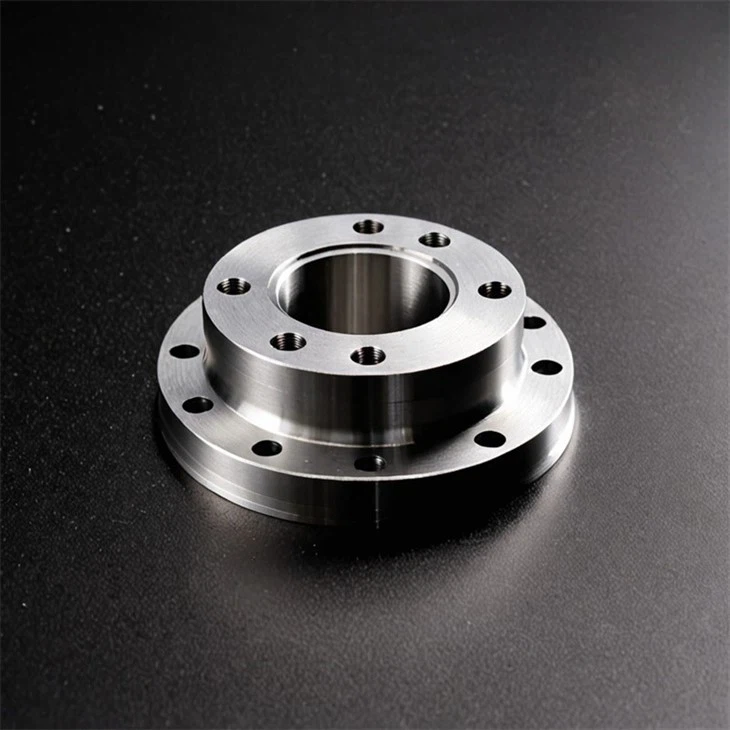

Another important strategy is to monitor the tool wear regularly and to replace the cutting tools before they reach the end of their useful life. This can be done using a variety of methods, such as direct measurement of the tool wear, monitoring of the cutting forces, or using tool life management software. By monitoring the tool wear and replacing the cutting tools at the appropriate time, it's possible to ensure the quality and efficiency of the CNC machining process.
In addition to using high-quality cutting tools and monitoring the tool wear, it's also important to optimize the cutting parameters, such as the cutting speed, feed rate, and depth of cut. By selecting the appropriate cutting parameters, it's possible to reduce the mechanical and thermal stresses on the cutting tool and extend its useful life. For example, reducing the cutting speed and feed rate can reduce the cutting forces and temperatures, which can help to prevent tool wear.
Conclusion
In conclusion, tool wear is a critical factor that can significantly impact the quality and efficiency of CNC machining. As a [CNC Machinings] supplier, we understand the importance of managing tool wear to ensure the success of our customers' manufacturing operations. By using high-quality cutting tools, monitoring the tool wear regularly, and optimizing the cutting parameters, it's possible to mitigate the effects of tool wear and achieve superior machining results.
If you're interested in learning more about our Metal CNC Machining, Precision CNC Machining Parts, or CNC Machining Prototype services, please don't hesitate to contact us. Our team of experts is always ready to assist you with your machining needs and to provide you with the highest quality products and services.
References
- Trent, E. M., & Wright, P. K. (2000). Metal cutting. Butterworth-Heinemann.
- Shaw, M. C. (2005). Metal cutting principles. Oxford University Press.
- Stephenson, D. A., & Agapiou, J. S. (2006). Metal cutting theory and practice. CRC Press.
Send Inquiry